

Understanding Modular Infrastructure
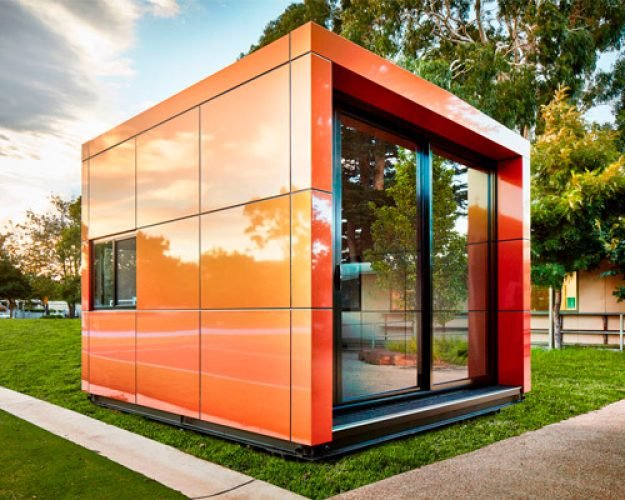
Modular infrastructure refers to a construction approach that utilizes pre-manufactured sections, or modules, to create buildings and other structures more efficiently than traditional methods. This methodology capitalizes on the benefits of prefabrication, where components are constructed in a controlled factory environment, significantly expediting the building process while ensuring higher quality standards.
At its core, modular infrastructure encompasses several components, including structural modules, mechanical systems, and finishes, all designed to be assembled on-site to form a cohesive and functional space. These components are produced using advanced technologies and materials that facilitate standardization across various projects. The ability to replicate successful designs through modular construction promotes a consistency in quality and reduces time delays often associated with onsite construction.
When comparing modular solutions to traditional construction methods, notable differences emerge specifically in terms of time, cost, and efficiency. Traditional construction often involves extensive on-site labor and can be vulnerable to delays due to weather or labor shortages. In contrast, modular infrastructure minimizes these challenges by allowing parallel site preparation and module fabrication. As a result, projects can be completed in a fraction of the time, ultimately reducing overall costs.
Furthermore, modular design promotes sustainability through reduced waste and optimal utilization of materials. Each module can be designed with energy-efficient systems, enabling commercial developments to meet environmental standards easily. In summary, understanding modular infrastructure entails recognizing its core principles, the benefits it offers over traditional construction, and its potential to revolutionize how commercial spaces are designed and built.
Benefits of Modular Infrastructure in Commercial Development
The implementation of modular infrastructure in commercial development presents numerous advantages that are transforming the way projects are conceived and executed. One of the primary benefits is cost-effectiveness. Modular construction reduces labor costs, minimizes material waste, and accelerates project timelines. As components are pre-fabricated in a controlled environment, there is often less risk of delays and unexpected expenses, contributing to more accurate budgeting and financial planning.
Speed of construction is another significant advantage. Traditional building methods can lead to prolonged project timelines due to various unforeseen challenges. In contrast, modular buildings can be assembled rapidly on-site, as much of the construction occurs off-site. For instance, case studies of businesses that have transitioned to modular infrastructure, such as the PBS North Carolina Division Headquarters, demonstrate shortened project durations with completion times that can be reduced by up to 50% compared to conventional construction methods.
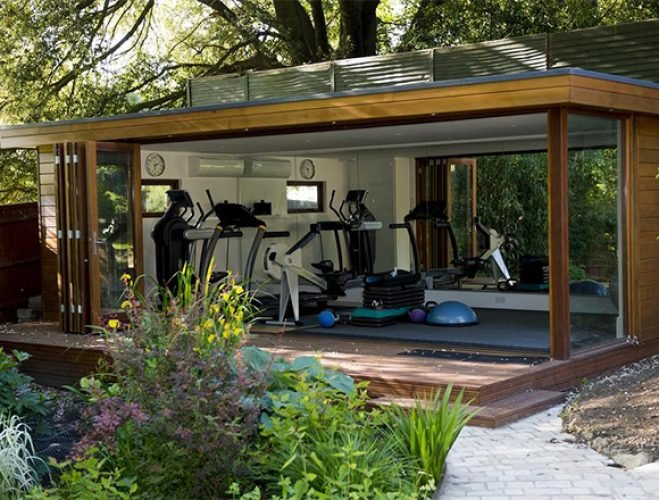
Flexibility in design represents another compelling benefit of modular infrastructure. Modular components can be customized and adapted to fit specific spatial requirements and aesthetic preferences. This adaptability allows commercial developers to create spaces that are not only functional but also aesthetically pleasing, suiting current market trends and client needs. Additionally, this flexibility makes it easier to expand or modify spaces in the future without substantial structural changes.
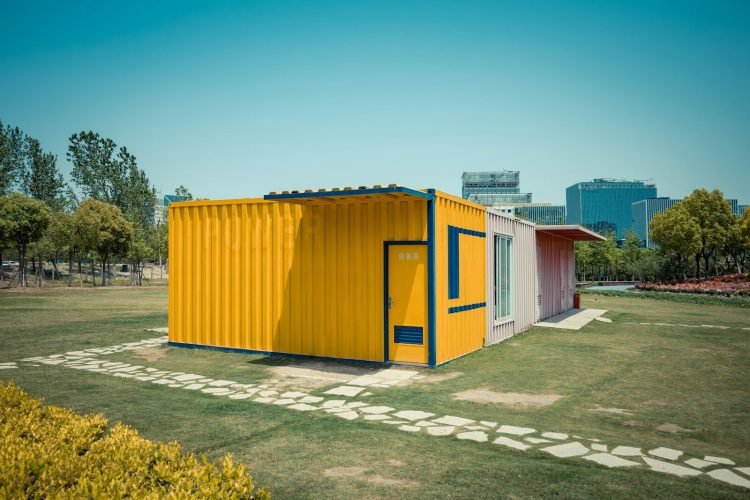
Lastly, sustainability is a critical aspect of modular construction. By utilizing sustainable materials and efficient energy systems, modular infrastructure can lead to green commercial buildings. For example, the EcoBox project highlights the use of recycled materials and energy-efficient designs that not only reduce the carbon footprint but also enhance the overall sustainability of the space. The combination of these factors makes modular infrastructure an appealing option for modern commercial developments seeking to balance cost, speed, and environmental responsibility.
Key Considerations for Implementing Modular Solutions
When adopting modular infrastructure for commercial purposes, several critical factors demand consideration to ensure a successful implementation. One primary consideration is site selection. The chosen location can significantly impact the cost, timeline, and overall effectiveness of the modular solution. It is essential to evaluate potential sites thoroughly, taking into account aspects such as accessibility, utilities, and environmental conditions that may influence the construction process.
Zoning regulations are another vital element in the planning of modular commercial spaces. Local zoning laws dictate what can be built and where, potentially affecting the type of modular structures permissible in specific areas. Engaging with local planning authorities early in the process can help to identify any restrictions or requirements, aiding in avoiding costly delays.
Working with experienced modular builders is crucial when considering modular infrastructure. Modular construction requires specialized expertise in both design and assembly; thus, selecting builders with a proven track record in modular projects can mitigate risks and ensure high-quality outcomes. These professionals bring valuable insights regarding material selection, efficient use of space, and adherence to building codes, all of which contribute to the success of the project.
Furthermore, effective integration of modular structures with existing sites or infrastructure is essential. This involves a seamless transition between the new modular addition and the current facilities, which may require adjustments to existing utility connections and overall design harmonization. Careful planning can facilitate this integration, ensuring that the modular solution complements the pre-existing elements while meeting the functional needs of the commercial space.
In summary, careful consideration of site selection, zoning regulations, collaboration with experienced builders, and integration processes are fundamental for the successful implementation of modular solutions in commercial spaces. Each of these components plays an essential role in optimizing the operational efficiency and sustainability of the modular infrastructure.
The Future of Modular Infrastructure in Commercial Spaces
The realm of modular infrastructure is poised for significant advancement in the coming years, driven by notable trends and innovations. One of the most promising developments in this field is the integration of emerging technologies, such as 3D printing and smart technologies. These advancements are expected to revolutionize the construction process, enabling quicker project delivery, cost efficiency, and increased customization for commercial spaces.
3D printing, for instance, allows for rapid prototyping and production of modular components, drastically reducing lead times while also minimizing waste. This technology not only streamlines the build process but also promotes sustainability by utilizing eco-friendly materials and reducing overall carbon footprints. Additionally, the use of smart technologies stands to enhance the operational efficiency of modular infrastructures. Implementing Internet of Things (IoT) solutions can lead to improved resource management and energy efficiency, setting a new standard for smart commercial spaces.
Moreover, modular infrastructure can play a critical role in addressing current housing shortages and environmental concerns. As the commercial sector increasingly recognizes the need for adaptable and sustainable solutions, modular construction emerges as a viable alternative. With its inherent ability to facilitate scalable and flexible designs, modular infrastructure can efficiently respond to fluctuating demands in urban development and commercial needs. As cities continue to grow and evolve, the versatility of modular systems will be vital in meeting the diverse requirements of contemporary commercial spaces.
Looking ahead, predictions suggest that the modular infrastructure market will witness significant growth in adaptation within the commercial sector. As businesses strive to meet the demands of an ever-changing economic landscape, the integration of innovative modular solutions will likely define the future of development. Thus, embracing these shifts will be essential for industry stakeholders to maintain a competitive edge as we move towards a more sustainable and technologically advanced future.