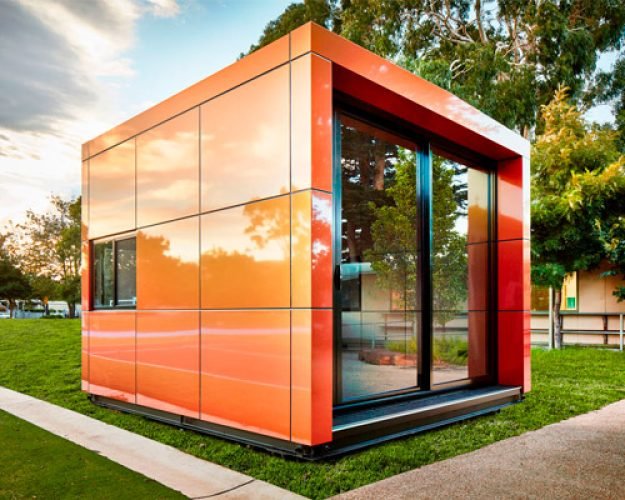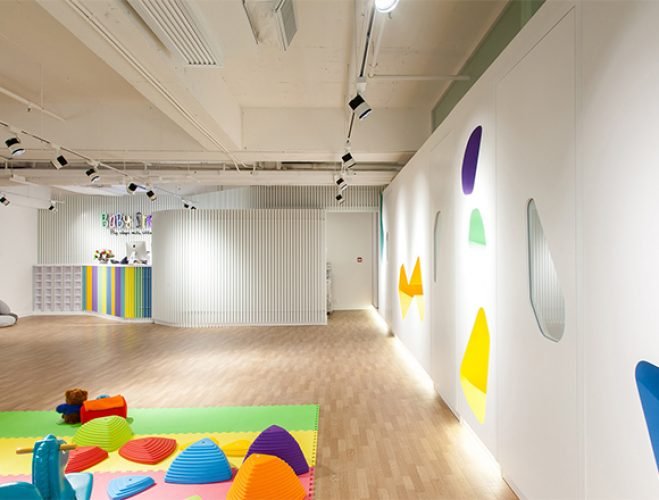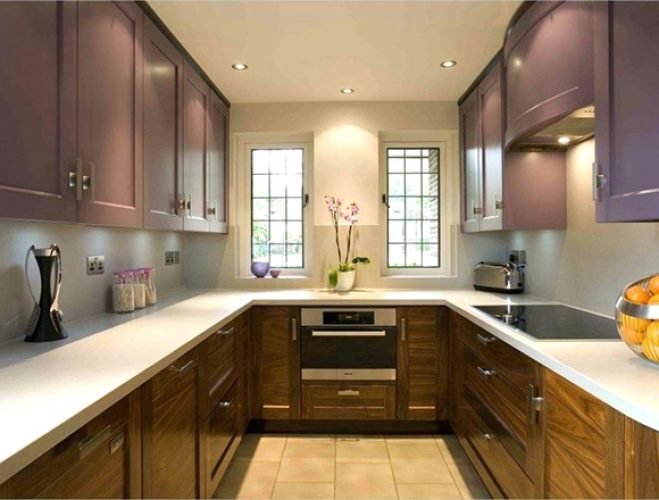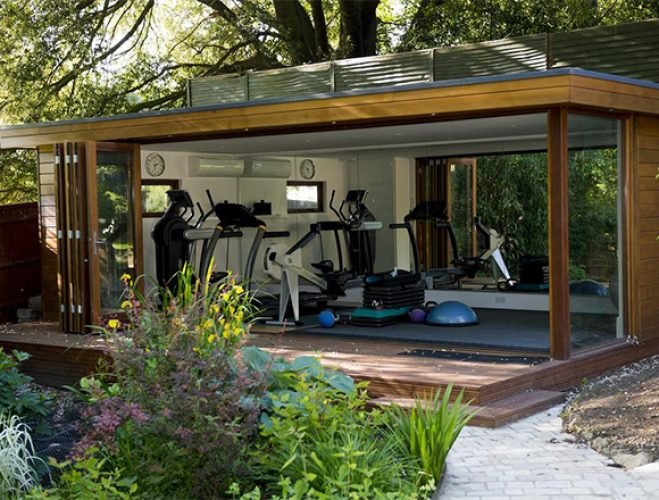

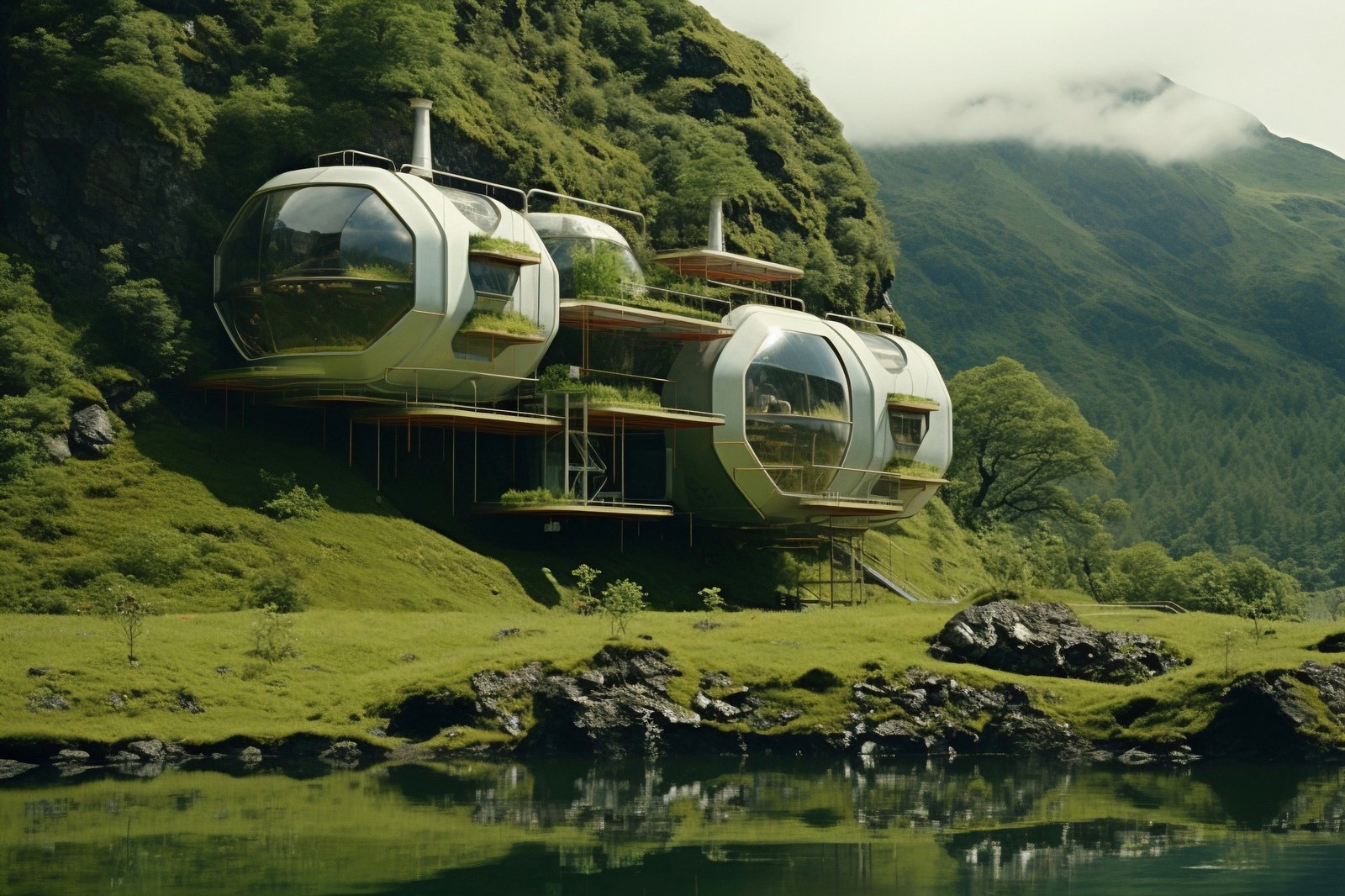
Introduction to Portable Cabins Portable cabins have undergone significant evolution since their inception, aligning with the changing needs of consumers and industries alike. Originally created as temporary accommodations for construction sites and military purposes, these structures have diversified in their applications over the years. Their foundations date back to the early 20th century, with wartime demands necessitating the quick and efficient assembly of living spaces in remote locations. In traditional settings, portable cabins served limited functionality; however, the modern era has witnessed their transformation into versatile solutions for various industries, including education, healthcare, and housing. Enhanced mobility has increased their appeal, allowing these cabins to be transported easily, relocated, and adapted according to the specific requirements of a project or site. This adaptability makes them suitable not only for temporary uses but also for long-term solutions. The rising interest in portable cabins can be attributed to numerous factors, particularly their cost-effectiveness and sustainability. In times of economic uncertainty, businesses and individuals alike are seeking solutions that minimize financial burdens without compromising quality. Portable cabins often fit this criterion, providing essential space with lower investment and maintenance costs compared to traditional buildings. Recent market trends indicate a growing preference for portable cabins, spurred by their ability to meet the increasing demand for affordable housing and flexible workspace solutions. Statistics reveal a notable increase in the production and sales of these cabins, reflecting their status as a viable alternative in the construction and housing sectors. Today, their applications continue to expand, further emphasizing the importance of incorporating sustainable practices and modern innovations into their design and functionality. Sustainability in Portable Cabin Design The design and construction of portable cabins increasingly prioritize sustainability, aligning with global efforts to reduce ecological footprints and promote environmentally friendly practices. One innovative approach involves using recycled materials, which significantly minimizes waste and resource consumption. Portable cabins can be constructed using repurposed wood, metal, and plastics, thereby diverting these materials from landfills and reducing the demand for new raw resources. Moreover, energy efficiency is a crucial element in the design of these cabins. Incorporating features such as high-quality insulation, energy-efficient windows, and appliances allows portable cabins to maintain comfortable temperatures while consuming minimal energy. Such designs not only reduce the operational costs for occupants but also contribute to a lower carbon footprint, making these structures a compelling alternative to traditional buildings. Integrating renewable energy sources is another remarkable aspect of sustainable portable cabin design. Many modern cabins can be outfitted with solar panels that harness sunlight to produce electricity. This integration not only reduces reliance on non-renewable energy but also offers occupants energy independence, particularly in remote locations where traditional energy sources may not be readily available. Such sustainable practices underscore the versatility of portable cabins as viable solutions for housing, offices, or recreational spaces, while simultaneously endorsing green living initiatives. In addition to the material and design considerations, the environmental benefits of portable cabins extend beyond their construction. Their mobility allows for flexible site placement and reduced land development impacts, which further minimizes disturbances to natural habitats. By choosing portable cabins, individuals and organizations can promote sustainable living, reflecting a conscientious approach to environmental stewardship in various settings. Flexibility and Adaptability of Portable Cabins One of the most remarkable features of portable cabins is their inherent flexibility and adaptability, rendering them suitable for a wide variety of applications across multiple contexts. These structures can serve as comfortable and functional housing solutions, efficient office spaces, temporary event venues, and even emergency shelters in times of need. While traditional construction often involves lengthy planning and execution periods, portable cabins provide a timely alternative, allowing individuals or organizations to respond quickly to their changing requirements. In housing situations, portable cabins can be customized to reflect personal tastes and needs, accommodating families, singles, or even co-living arrangements. This customization can extend to amenities, layout, and exterior finishes, allowing for a unique and personalized living experience. Additionally, these structures can easily be relocated, which can be particularly advantageous for those who frequently move or need to adapt to new surroundings. Commercial enterprises have also started recognizing the benefits of portable cabins. From pop-up shops to office space solutions in remote areas, businesses have successfully integrated portable cabins into their operational frameworks. Events such as festivals and fairs have utilized portable cabins not only as ticket booths but also as hospitality suites and vendor spaces, providing a cohesive and seamless experience for participants and attendees alike. Moreover, the versatility of portable cabins shines during emergencies. They can be quickly deployed to affected regions, offering temporary housing or medical facilities when conventional infrastructure is compromised. Numerous examples exist of organizations utilizing portable cabins as resilient solutions in disaster-stricken areas, demonstrating the capacity of these structures to adapt and meet urgent needs. Overall, the flexibility and adaptability of portable cabins signify a shift towards innovative approaches in addressing diverse living and working scenarios. Cost-Effectiveness of Portable Cabins Portable cabins have emerged as a viable alternative to traditional building methods, offering substantial economic advantages that appeal to various sectors, including residential, commercial, and temporary housing markets. The initial investment costs associated with portable cabins are generally lower than that of conventional buildings. This cost advantage stems from their streamlined manufacturing processes and reduced labor requirements, enabling quicker assembly and access to occupancy. One of the most notable financial benefits of portable cabins is the reduction in construction time. Builders can set up portable cabins in a fraction of the time it takes to construct traditional structures. This efficiency not only accelerates project timelines but also minimizes labor costs and reduces the risk of budget overruns due to delays. Ongoing maintenance for portable cabins is typically less demanding as well. Many portable units are constructed from durable, sustainable materials designed to withstand various environmental conditions. This resilience translates to lower long-term maintenance expenses compared to conventional buildings, which often require regular upkeep and repairs. Furthermore, the flexibility of portable cabins allows for easy relocation and repurposing,
Essential Features to Look for When Buying a Portable Cabin
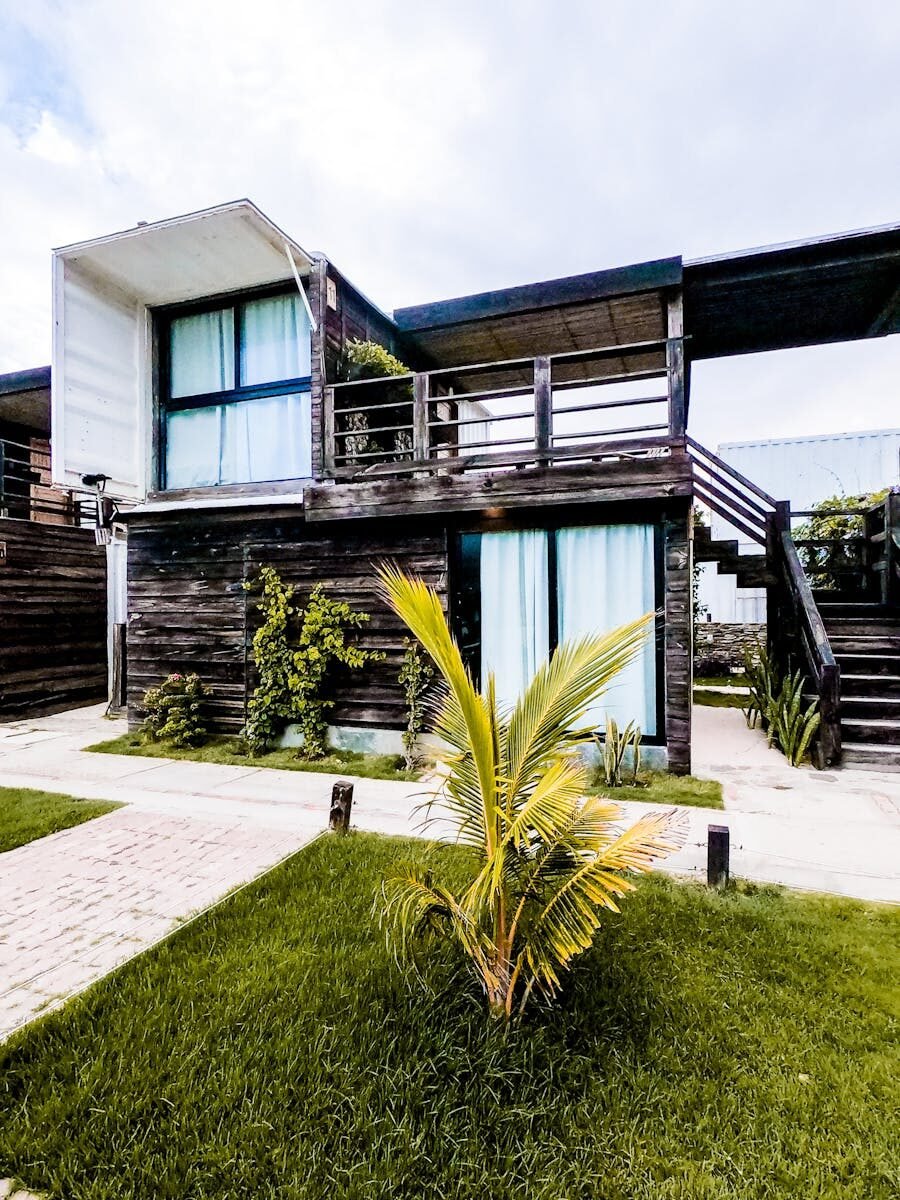
Size and Layout Considerations When considering the purchase of a portable cabin, one of the most crucial aspects to evaluate is the size and layout of the structure. Understanding the specific requirements of the intended users plays a significant role in determining the appropriate dimensions and design. For instance, potential buyers should contemplate how many individuals will typically occupy the cabin and the various activities they plan to engage in while utilizing the space. This assessment serves as a foundational step in selecting the right portable cabin. Measuring the dimensions of the designated area where the cabin will be installed is equally important. This ensures that the structure fits comfortably without encroaching on surrounding spaces or violating local regulations. Buyers should account for any additional space needed for access, landscaping, or utility connections, as these factors can dramatically affect the overall experience of using the cabin. The layout of the cabin can significantly influence its functionality. Buyers must consider whether a single-room design suffices or if a multi-room configuration is necessary to accommodate various needs. For example, families or larger groups may benefit from separate sleeping and living areas, while a compact design might be ideal for individual use or small gatherings. Moreover, aspects such as open floor plans and designated storage areas can enhance the usability of limited space. Additionally, it is vital to adhere to prevailing building codes and regulations that govern portable cabins. These regulations may dictate specific limitations on size, height, and layout, ensuring that the structure meets safety and zoning standards. Therefore, potential buyers should familiarize themselves with these requirements to make informed decisions while shopping for their ideal portable cabin. Material Quality and Durability When selecting a portable cabin, the material quality significantly influences its durability and longevity. Various construction materials are available, each presenting unique benefits and potential drawbacks. Primarily, the common materials used in portable cabins are wood, metal, and composite options. Wood is a traditional choice for portable cabins due to its natural insulation properties and aesthetic appeal. It offers warmth and makes the cabin feel more homely. However, wood is susceptible to rot, pests, and moisture damage, necessitating regular maintenance. The longevity of wood can be ensured through preservatives and sealants, but it generally requires more attention compared to other materials. Metal, often aluminum or steel, is becoming increasingly popular due to its strength and resistance to environmental factors. Metal cabins can withstand harsh weather conditions and are generally less prone to maintenance issues compared to wood. However, metal can conduct heat, meaning insulation is a critical consideration. Proper insulating materials must be employed to keep the interior comfortable in various climates. Composite materials combine the benefits of wood and plastic, offering enhanced durability and lower maintenance in comparison to traditional wood. This material type is designed to resist moisture and pests while still providing decent insulation. Composite cabins tend to come at a higher price point but may provide better long-term value due to their resilience and lower upkeep requirements. Regardless of the material chosen, quality craftsmanship plays an essential role in the cabin’s overall performance and lifespan. Engaging with reputable manufacturers who prioritize construction standards will ensure that the portable cabin withstands both time and the elements effectively. Thus, when evaluating portable cabins, potential buyers must thoroughly assess the material quality and craftsmanship to make an informed decision. Customization Options and Functionality When investing in a portable cabin, one of the most significant aspects to consider is customization. This aspect allows buyers to tailor the cabin to meet their unique needs and preferences. Portable cabins can be remarkably versatile, offering various customization options that enhance both their aesthetic appeal and functionality. Internal layouts represent a primary customization element. Depending on the intended use, whether as guest accommodations, a workspace, or a recreational retreat, the cabin can be designed to optimize space effectively. For instance, an open floor plan can create a spacious living area, while partition walls can be added to provide individual rooms for more specific purposes. Exterior finishes also play a vital role in customization, as they can significantly impact the overall look and feel of the portable cabin. Buyers may choose from various materials and colors to create a design that blends seamlessly with its surroundings or stands out as a focal point. Additionally, choosing the right roof type can affect both aesthetics and functionality, significantly contributing to the cabin’s insulation and resilience against environmental factors. Moreover, added amenities such as plumbing systems, electrical outlets, and comprehensive insulation options can transform a basic portable cabin into a fully functional living space. These features enable year-round use and ensure comfort regardless of external conditions. For example, incorporating heating and cooling systems can enhance usability throughout the changing seasons. Ultimately, aligning customization options with the intended use of the portable cabin is crucial. By considering functionality alongside aesthetics, buyers can create cabins that serve their specific goals effectively. This alignment not only maximizes the utility of the portable cabin but also enhances the overall experience for its users. Cost and Value for Money When considering the purchase of a portable cabin, budget becomes a pivotal factor that can influence the decision-making process significantly. The cost of portable cabins can vary widely based on a number of determinants including size, materials, design features, and customization options. Sizes range from compact, straightforward models to larger, more intricate designs, with prices adjusted accordingly. For instance, smaller cabins generally cost less, while larger counterparts demand higher investment due to increased material and labor requirements. The choice of materials also plays a critical role in determining the overall price of the cabin. Cabins constructed from high-quality, durable materials tend to incur a higher initial cost but often lead to greater long-term savings due to reduced maintenance and better longevity. In contrast, more economical materials may lower the upfront price but can result in additional costs down the line due to maintenance or the need for repairs. Additionally, features such as insulation,
How Portable Cabins Save Time and Reduce Construction Costs
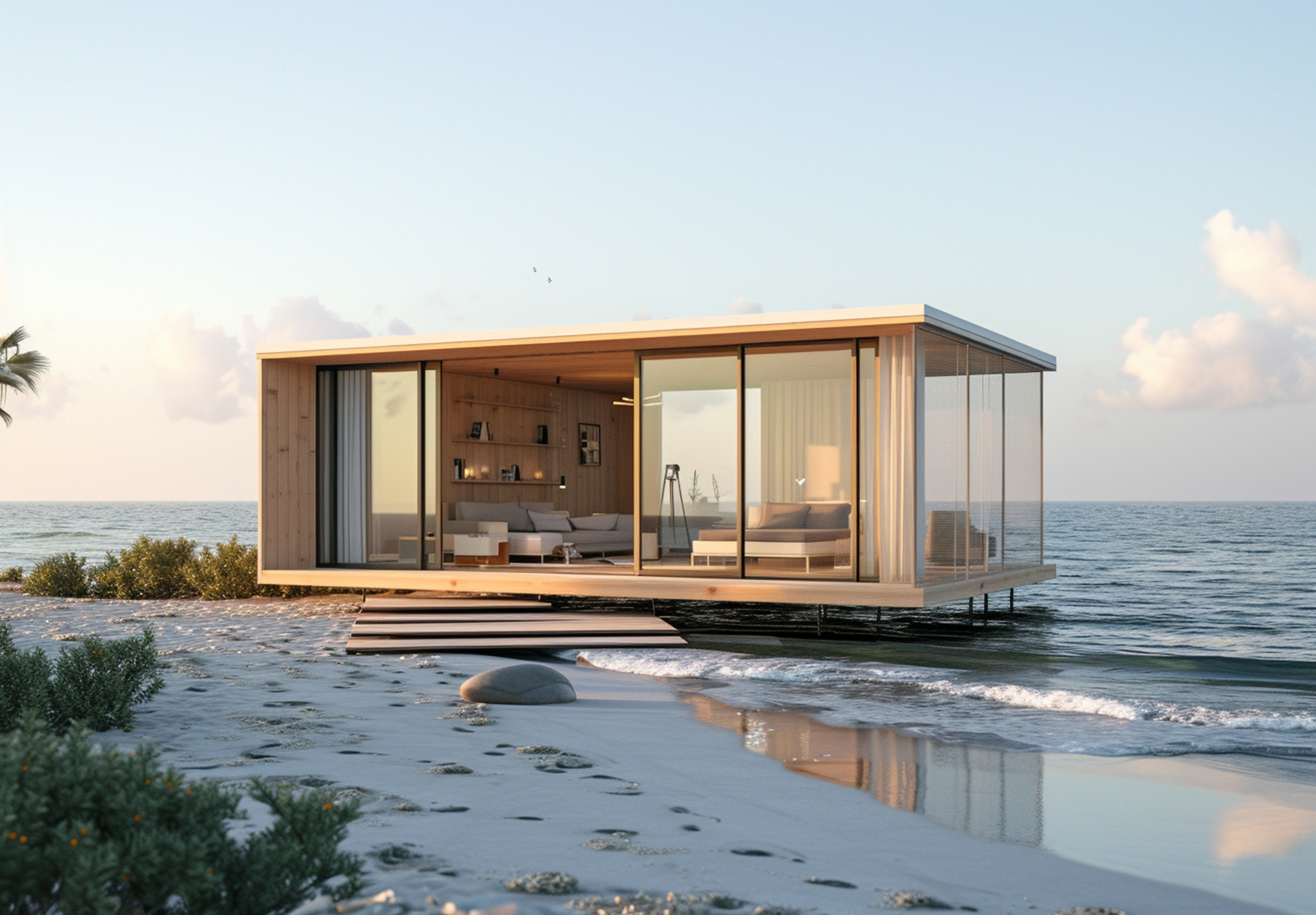
Introduction to Portable Cabins and Their Benefits Portable cabins, often referred to as modular buildings or temporary structures, are prefabricated units designed for quick assembly and easy relocation. These versatile structures have made significant inroads in the construction industry due to their practicality and efficiency. Traditionally utilized for site offices and temporary housing, the scope of meco portable cabins has expanded to include a wide range of applications, such as classrooms, medical facilities, and retail spaces. One of the primary advantages of meco portable cabins is their ability to streamline construction processes. Unlike traditional building methods that can involve lengthy timelines and extensive onsite labor, these cabins significantly reduce the time required for setup. Fabricated off-site, they are delivered ready for use, which facilitates a more efficient construction workflow and minimizes delays associated with weather, inspections, and labor availability. This contributes not only to time savings but also to a reduction in overall labor costs. Furthermore, the increasing emphasis on sustainable and flexible building solutions has bolstered the demand for portable cabins. Constructed with eco-friendly materials and designed for optimal energy efficiency, these structures can be an environmentally conscious choice for construction and building needs. The meco portable cabin can be easily modified or expanded, allowing companies to adapt their facilities as their requirements evolve, thus enhancing operational flexibility. With the construction industry continuously seeking innovative solutions to address challenges such as cost, efficiency, and sustainability, portable cabins offer compelling benefits. As they gain traction, their role in reshaping how temporary and semi-permanent structures are utilized is becoming increasingly significant. Time Efficiency in Construction Projects with Portable Cabins In the realm of construction, the efficiency of time management is a crucial factor that can determine project success. The incorporation of meco portable cabins into construction sites has brought significant advantages in terms of time savings. One of the most notable aspects is the reduced site preparation time associated with these cabins. Unlike traditional structures that require extensive groundwork and foundation work, portable cabins can be placed on a wide range of terrains with minimal preparation. This leads to a quicker commencement of construction activities, allowing projects to progress without unnecessary delays. Moreover, the installation process of a meco portable cabin is designed to be swift and straightforward. Often, these cabins can be delivered and set up on-site within days, rather than weeks or months as is typical with conventional building methods. This accelerated installation not only allows for immediate usage but also minimizes downtime for construction teams, thereby enhancing overall productivity. In numerous case studies, construction firms have reported a considerable decrease in project timelines when utilizing portable cabins compared to traditional facilities. Additionally, the flexibility of meco portable cabins provides significant time-management benefits. These units can easily be relocated as project needs evolve, which minimizes disruptions and allows for seamless transitions as construction zones shift or expand. For instance, during a recent infrastructure project, the ability to relocate cabins allowed workers to maintain their operations without pausing for the installation of new facilities, effectively keeping the momentum of the project going. Such practical applications highlight how portable cabins not only serve immediate needs but also set the stage for sustained efficiency throughout the construction life cycle. The overall impact of utilizing meco portable cabins signals a shift towards more time-efficient methodologies in construction, aligning with the industry’s growing demands for rapid and flexible solutions. Cost Savings Offered by Portable Cabins The construction industry is continually seeking innovative ways to minimize expenses while maximizing efficiency. One such innovation is the use of meco portable cabins, which have proven to deliver significant financial advantages in various construction scenarios. These cabins offer a unique solution that can mitigate initial investment costs and reduce overall project expenditures. Initial investment costs associated with traditional building techniques can be prohibitive, often due to the extensive labor and materials required. In contrast, meco portable cabins require significantly lower upfront costs. They are pre-manufactured off-site and delivered ready for installation, which streamlines the mobilization process. This efficiency not only minimizes the time spent on-site but also reduces labor-related expenses right from the outset. Moreover, the long-term financial benefits of integrating portable cabins into construction projects cannot be overlooked. Traditional construction methods typically incur higher maintenance budgets due to wear, tear, and the need for extensive ongoing repairs. However, portable cabins are designed with durability in mind, often requiring less upkeep and repair, thereby lowering long-term maintenance costs. Additionally, these structures are designed to minimize waste during the construction phase, which also contributes to overall savings. Lower waste generation means reduced disposal fees and a smaller environmental footprint. When examining various construction scenarios, the cost-effectiveness of portable cabins becomes even more apparent. For instance, businesses opting for temporary sites can forego many of the expenses associated with permanent structures, such as land acquisition and property taxes. Overall, the financial advantages of meco portable cabins highlight an effective strategy for construction professionals looking to save time and resources while ensuring a functional and practical workspace. Conclusion: The Future of Portable Cabins in Construction The discussion surrounding the advantages of meco portable cabins highlights their pivotal role in modern construction. These structures are increasingly recognized not only for their rapid deployment but also for their substantial cost-saving potential. As the construction industry grapples with the challenges of time delays and budget overruns, portable cabins present a timely solution by streamlining project timelines and reducing expenses related to traditional building methods. Trends in modular building underscore a shift towards efficiencies that portable cabins embody. Their factory-based construction process minimizes waste and enhances quality control, factors that are becoming paramount in today’s environmentally conscious society. Innovations in materials and design are further enhancing the durability and functionality of meco portable cabins, making them a robust option for various applications including temporary housing, site offices, and storage. This flexibility positions them as a viable choice across multiple sectors, from construction to education and healthcare. Moreover, the potential for customization of these portable
The Complete Guide to Modular Portable Cabins
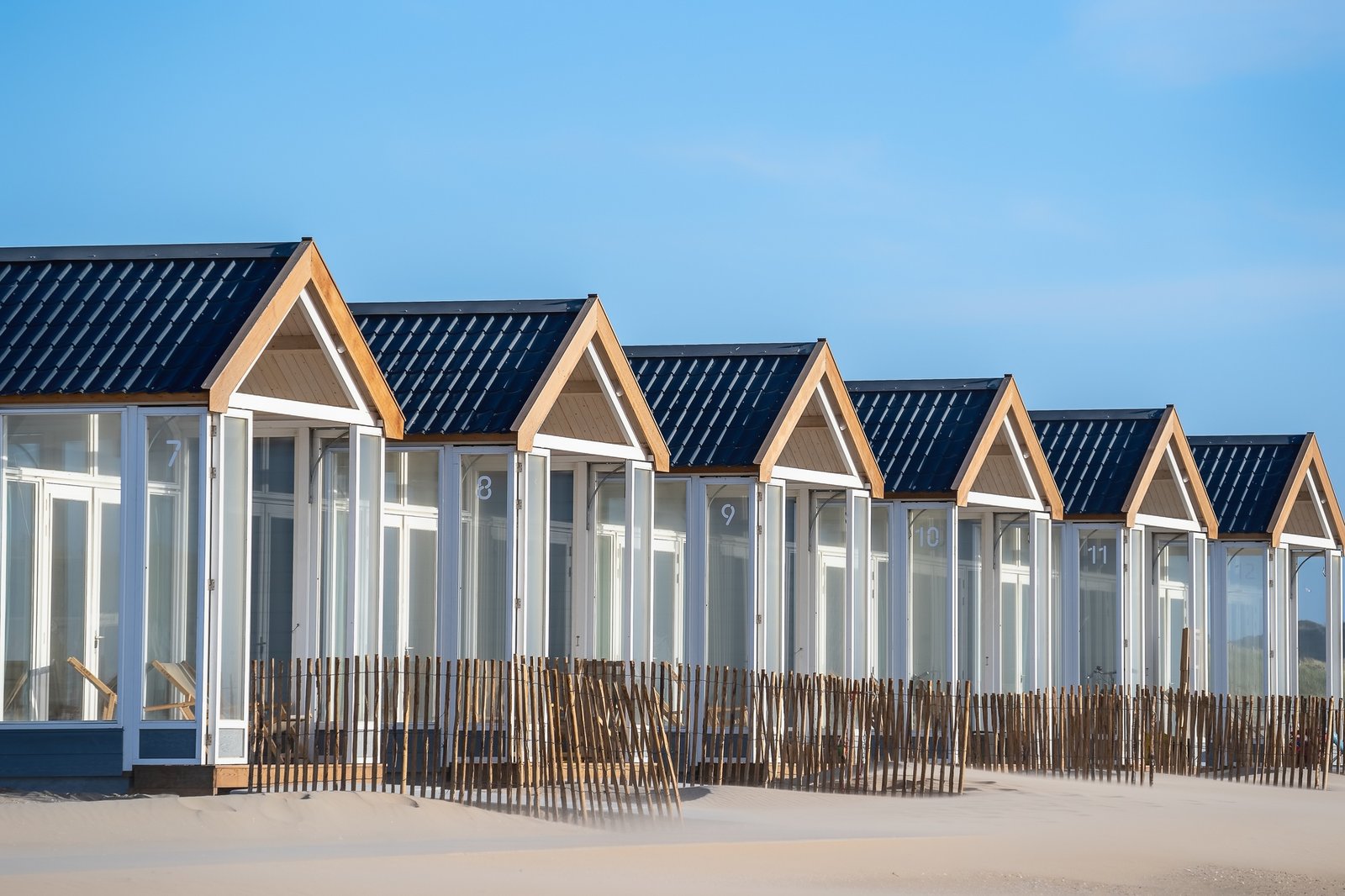
Introduction to Modular Portable Cabins Modular portable cabins are prefabricated structures designed for a variety of purposes, ranging from residential living to commercial use. These cabins are typically constructed off-site and then transported to their final location, where they can be assembled quickly, making them an increasingly popular option in modern society. The concept of modular construction dates back to the 20th century, but advances in technology and design have revolutionized their popularity, leading to their widespread adoption in various sectors. One of the primary benefits of modular portable cabins is their inherent flexibility. These structures can be customized to meet specific requirements, accommodating a plethora of sizes and layouts. Whether used as temporary housing for workers at a construction site, additional office space for a growing business, or even as a cozy retreat in remote areas, modular cabins can be adapted for an array of functions. This flexibility is a driving force behind their rising appeal. Furthermore, the sustainability aspect of modular portable cabins cannot be overlooked. As the world increasingly shifts towards eco-friendly practices, modular designs often incorporate sustainable materials and energy-efficient technologies. Their ability to minimize waste during construction and reduce environmental impact resonates with eco-conscious individuals and businesses alike. Cost-effectiveness is another significant advantage associated with modular portable cabins. They often entail lower construction costs compared to traditional buildings due to shorter build times and efficient manufacturing processes. This affordability helps businesses and individuals access on-demand space without stretching their budgets, further solidifying the practicality of modular cabins in contemporary settings. In light of these attributes—flexibility, sustainability, and cost-effectiveness—modular portable cabins are poised to continue their rise in popularity. The subsequent sections will delve deeper into their various features, applications, and design possibilities, expanding on why these structures are becoming a staple in modern architecture and lifestyle. Types of Modular Portable Cabins Modular portable cabins come in various types, designed to cater to different needs and preferences. Understanding these types is crucial for potential buyers and renters as it directly influences their choice, whether for residential, commercial, or recreational purposes. First, we can categorize modular portable cabins by their size. Smaller cabins, generally referred to as micro-cabins or tiny cabins, are ideal for individuals or couples seeking efficient use of space. These compact units usually range from 100 to 400 square feet. On the opposite end, larger cabins can accommodate families or groups, often exceeding 1,000 square feet. These larger units typically offer more amenities and flexible layouts, making them suitable for extended stays. Next, the intended usage of the cabins plays a significant role in classification. Residential cabins function primarily as living spaces, while commercial cabins are designed for offices, stores, or meeting spaces. Recreational cabins serve as holiday retreats or temporary shelters for outdoor enthusiasts. Each category has its distinctive features tailored for specific functionalities, ensuring comfort and practicality. Moreover, the configuration of modular portable cabins can be single-unit or multi-unit. Single-unit cabins are standalone structures which can be easily transported and set up on various sites. In contrast, multi-unit configurations consist of several interconnected units, providing flexible space arrangements for larger groups or diverse needs. These configurations allow for creative design options and can be customized to suit personal or organizational requirements. In summary, recognizing the differences among the various types of modular portable cabins enables potential buyers and renters to make informed decisions based on size, usage, and configuration. Each type possesses unique advantages, making it essential to select the cabin that aligns with individual needs and preferences. Factors to Consider When Choosing a Modular Portable Cabin Selecting the right modular portable cabin involves careful consideration of several key factors to ensure it meets your specific needs. Understanding these elements is essential for making an informed decision that aligns with your budget and lifestyle. First and foremost, establishing a budget is vital. Modular cabins come in a range of prices, influenced by the materials used, size, and customization options. Setting a clear financial plan will help narrow your choices and avoid overspending. Secondly, consider the required size of the cabin. The dimensions should accommodate your intended use, whether it be for a cozy retreat, guest accommodation, or a workspace. Evaluating the number of occupants or equipment that will be housed in the cabin can guide you towards an appropriate size. The intended use of the modular portable cabin also dictates many of your choices. Depending on whether the cabin will serve as a temporary residential unit, a mobile office, or a recreational space, the features and design will differ significantly. Additionally, familiarize yourself with local building regulations and zoning laws, as these will impact what modifications can be made and the cabin’s placement. Location specifications are another essential aspect to consider. The climate in your area might require unique insulation or building materials to withstand local weather conditions effectively. Finally, customization options should not be overlooked, as they allow you to tailor the design and functionality to better suit your preferences. Assessing the quality of materials and sustainability features is crucial, especially if you are aiming for an environmentally friendly cabin. Overall, taking the time to carefully evaluate these factors will empower you to choose a modular portable cabin that seamlessly fits your lifestyle or business requirements. Maintenance and Care for Modular Portable Cabins Ensuring the longevity of modular portable cabins necessitates a consistent maintenance routine. These structures, designed for versatility and portability, can provide a durable and comfortable environment, provided they receive appropriate care. Regular upkeep can help avoid costly repairs and enhance the overall functionality of your cabin. Seasonal maintenance is vital. In winter, inspect the exterior for any damage due to snow and ice accumulation. Clear the roof of heavy snow to mitigate leaks and structural risk, while checking for warped siding that may require repair. In warmer months, pay attention to ventilation systems and screens, ensuring they are free of debris to promote airflow and reduce humidity issues. Cleaning is another essential aspect of cabin maintenance. Use
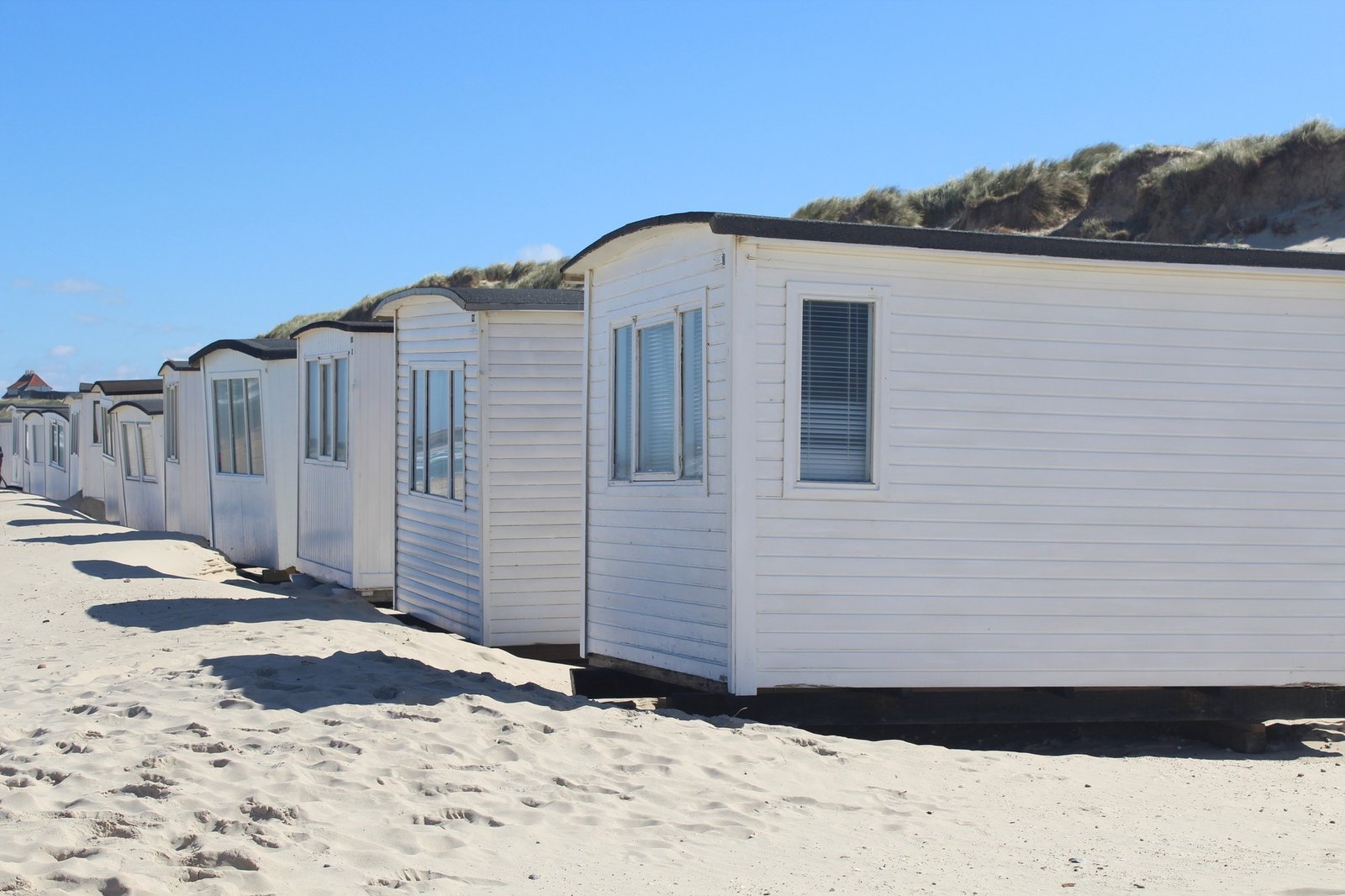
Portable Labour Accommodation Cabins: Ensuring Worker Comfort and Safety
Introduction to Portable Labour Accommodation Cabins Portable labour accommodation cabins serve as temporary living quarters designed for workers located in remote areas where permanent infrastructure might be insufficient or nonexistent. These cabins typically provide essential amenities such as sleeping quarters, washrooms, and kitchen facilities, ensuring that workers can live comfortably while on-site. Their prompt mobilization and installation make them particularly suited for industries such as construction, mining, oil and gas, and forestry, where work schedules dictate the need for readily available housing solutions. As the global demand for resources intensifies and projects unfold in isolated locations, the necessity for portable accommodation has become increasingly pivotal. These cabins can be transported easily from one site to another, thereby reducing the resource expenditure associated with building traditional, permanent facilities. This adaptability is particularly invaluable for businesses operating in fluctuating conditions and locations, enhancing operational efficiency. Furthermore, the flexible nature of portable accommodation allows employers to effectively manage fluctuating workforces. This is especially paramount in scenarios such as peak project periods, where additional labour might be required. With these cabins, companies can respond swiftly to workforce demands, providing secure and comfortable housing solutions that cater to transient staff while ensuring compliance with health and safety regulations. In addition to flexibility and mobility, portable labour accommodation cabins also offer enhanced safety features. Equipped with modern safety facilities, these accommodations minimize the risks associated with on-site living, promoting overall worker well-being. The design of these cabins adheres to stringent standards, ensuring a safe environment for workers and allowing businesses to meet regulatory requirements without compromise. Key Features of Portable Accommodation Cabins Portable accommodation cabins have become a popular solution for providing temporary housing for workers in various industries. These cabins are designed with essential features that ensure worker comfort, safety, and overall well-being. One of the primary attributes of portable cabins is their superior insulation. Proper insulation regulates temperature, keeping interiors warm during colder months and cool in the summer, which is crucial for maintaining a comfortable living environment. This feature enhances the productivity and morale of workers, leading to a more efficient work setting. In addition to insulation, safety standards are paramount in the design of portable accommodation cabins. Adhering to regulations set forth by safety authorities ensures that workers are housed in a secure environment. Features such as fire-resistant materials, secure lock systems, and structural integrity are critical components that protect occupants while providing peace of mind. Furthermore, these cabins are often equipped with emergency exits and fire alarms to further enhance safety measures. Ventilation is another vital feature, as it contributes significantly to the indoor air quality of portable cabins. Proper airflow prevents the buildup of humidity and reduces the risk of mold, creating a healthier living space for workers. Many cabins feature window designs and HVAC systems that promote adequate ventilation, ensuring a fresh and comfortable atmosphere. Lastly, the inclusion of essential amenities such as comfortable sleeping arrangements, kitchen facilities, and shared recreational areas play a crucial role in fostering a conducive work environment. These amenities not only enhance comfort but also support social interactions among workers, thereby improving their overall experience. The thoughtful integration of these features in portable accommodation cabins truly underscores the commitment to worker comfort and safety. Safety Standards and Regulations The design and utilization of portable labour accommodation cabins are governed by a variety of safety standards and regulations, which play a crucial role in ensuring the safety and well-being of the workers residing within them. Compliance with these regulations is not just a legal requirement, but also a moral obligation to provide a safe living environment. One of the primary considerations in these standards is structural integrity. Portable cabins must be constructed using robust materials that can withstand environmental pressures and ensure stability. This is particularly important in areas prone to extreme weather conditions. Regulations dictate specific load-bearing requirements and stress tests to prevent structural failure, which could endanger occupants. Fire safety measures are another critical aspect of the safety framework surrounding portable accommodation. These cabins must be equipped with adequate fire prevention and suppression systems, which may include smoke detectors, fire extinguishers, and clear evacuation routes. Compliance with the National Fire Protection Association (NFPA) standards ensures that workers can respond effectively in emergency situations, thereby minimizing risks related to fire hazards. Health regulations are equally paramount in the context of portable labour accommodation cabins. Adequate ventilation, hygiene facilities, and safe drinking water must be provided to maintain the health of the workers. Regular inspections and adherence to public health guidelines are essential to mitigate potential health risks, such as the spread of communicable diseases. In summary, compliance with safety standards and regulations is essential for the design and use of portable labour accommodation cabins. These measures not only ensure the safety and security of workers but also create a comfortable living environment conducive to their well-being and productivity. Benefits of Using Portable Labour Accommodation Cabins Portable labour accommodation cabins have become increasingly popular due to their numerous advantages, particularly in the context of housing solutions for workers in various industries. One prominent benefit is their cost-effectiveness. These cabins offer a budget-friendly alternative to traditional housing setups, reducing labor costs associated with travel and lodging. Moreover, the modular nature of these units allows for significant savings on construction and infrastructure expenses. Convenience is another essential aspect of portable labour accommodation cabins. These units can be swiftly deployed and set up on-site, catering to the immediate needs of workforces. Their mobility enables employers to relocate accommodation facilities as project requirements change, ensuring that workers are always housed in proximity to their work areas. This spatial flexibility not only simplifies logistics but also contributes to keeping projects on schedule. Furthermore, these cabins provide effective temporary housing in diverse environments, ranging from construction sites to remote locations. They are equipped with necessary amenities, such as sleeping arrangements, restrooms, and kitchens, which contribute to a conducive living space. This provisioning is especially critical in harsh conditions where access
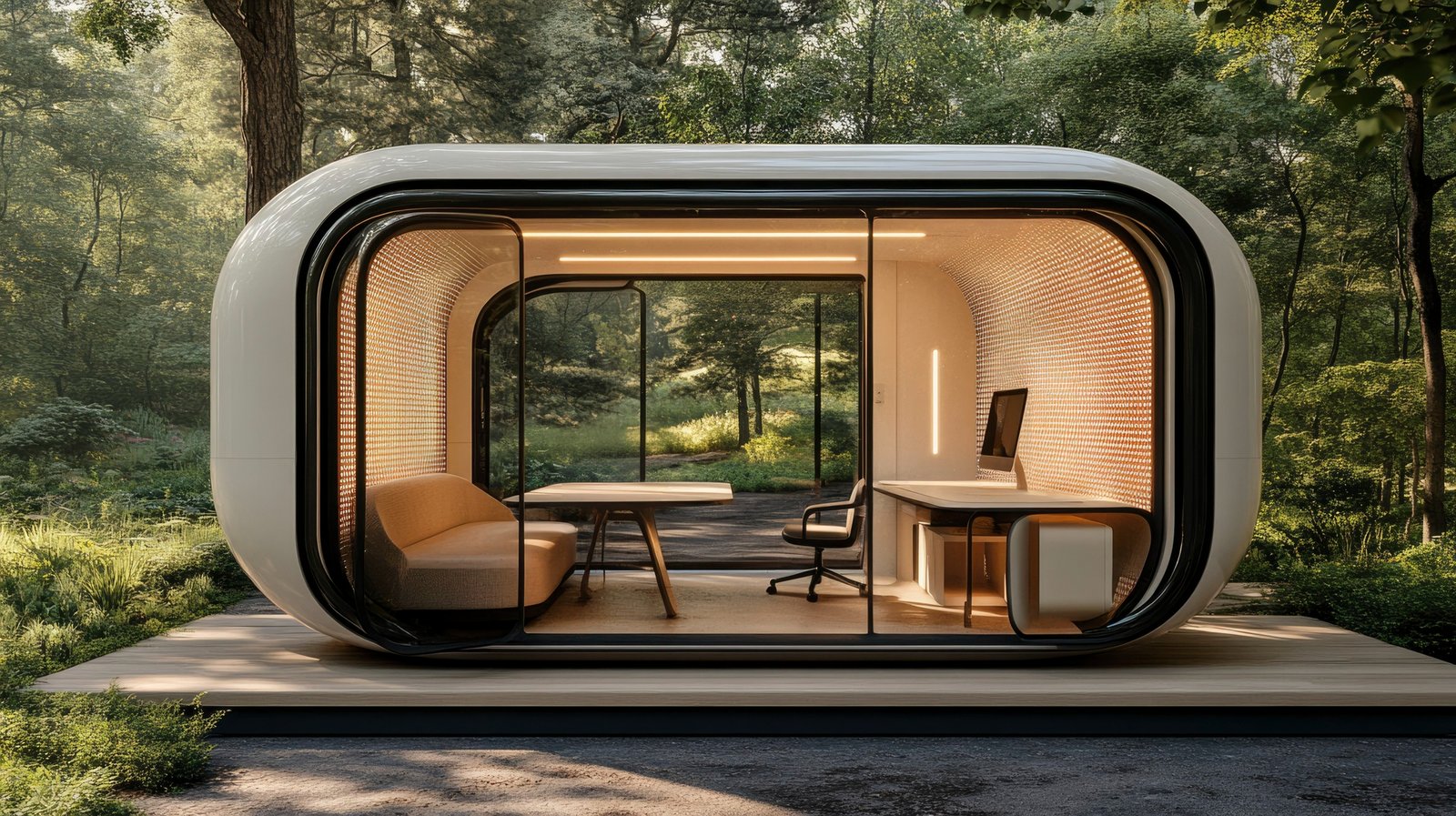
Portable Office Cabins: A Smart Workspace Solution for Modern Businesses
Introduction to Portable Office Cabins Portable office cabins represent a transformative concept in how modern businesses approach their workspace needs. These cabins, designed for easy mobility and versatility, function as functional mobile workspaces that can be easily positioned in various locations. Their appeal lies in their ability to provide a fully equipped office environment without the constraints of a traditional structure. As businesses continue to adapt to changing market dynamics, the demand for flexible working solutions has surged. Portable office cabins have emerged as a beneficial alternative, particularly in sectors such as construction, education, and events management, where temporary offices are essential. These cabins can be transported to any site, set up quickly, and equipped with modern amenities to ensure that employees can perform their tasks efficiently. The advantages of portable office cabins over traditional office settings are significant. For starters, they offer considerable cost savings by reducing the overheads associated with long-term leases and utilities. Businesses can invest in portable spaces according to their specific needs, eliminating the waste associated with unused office areas. Furthermore, the ease of relocation allows companies to adjust their operational setups in response to project demands or changes in workforce size. Moreover, portable office cabins promote a customizable work environment. Organizations can configure these spaces to suit their operational requirements, ensuring that every aspect—from layout to amenities—aligns with their corporate identity and operational goals. As the trend toward remote and hybrid working models gains traction, portable office cabins provide a viable solution, allowing businesses to create professional settings wherever they are needed. Benefits of Using Portable Office Cabins Portable office cabins have become an ideal workspace solution for modern businesses, offering numerous advantages that cater to the evolving needs of the corporate world. One significant benefit is their flexibility and mobility. These office units can be easily relocated to different sites, making them an excellent choice for businesses that operate in multiple locations or require a temporary setup at construction sites, remote areas, or during events. Another important advantage of portable office cabins is their cost-effectiveness. Traditional office spaces often require long-term leases and upkeep costs, whereas opting for a portable cabin can significantly reduce overhead expenses. This innovative workspace solution allows companies to allocate resources more effectively, providing them with the flexibility to adapt their operational costs based on current needs. Additionally, the quick setup and teardown of portable office cabins are noteworthy benefits. Unlike conventional office spaces, which may take weeks or even months to furnish and make operational, portable cabins can be set up within a matter of days. This feature ensures that businesses can establish an efficient workspace promptly, facilitating swift responses to project demands or urgent business needs. Moreover, these cabins offer customizable work environments tailored to the specific requirements of the organization. Businesses can configure the layout, design, and amenities of the portable office cabins to best suit their operational functions. This personalization allows for improved productivity and employee satisfaction, as workers can operate in an environment that meets their preferences. In conclusion, the benefits of using portable office cabins are clear. With their flexibility, cost-effectiveness, quick setup, and customization options, portable office cabins represent a smart workspace solution for modern businesses seeking to adapt to the fast-paced demands of today’s corporate landscape. Practical Applications and Industries Utilizing Portable Office Cabins Portable office cabins have emerged as a practical solution across various industries, reflecting their versatility in today’s dynamic business environment. One prominent sector that benefits significantly from these structures is construction. Construction sites often require temporary office spaces that can accommodate project managers, architects, and other professionals working on-site. For instance, a large-scale infrastructure project might implement multiple portable office cabins as command centers for project coordination and daily meetings, ensuring that teams remain efficient and connected. The education sector has also adopted portable office cabins, especially in scenarios where additional classroom space is required rapidly. These cabins can serve as temporary classrooms, administrative offices, or meeting spaces during periods of expansion or renovation. A notable example includes schools that utilize portable cabins to accommodate growing student populations, providing a quick and cost-effective way to create additional educational spaces without the need for major construction. In the events management industry, portable office cabins are invaluable for providing essential facilities at outdoor or temporary events. Organizers often utilize these cabins as ticketing booths, information centers, or staff break areas. A well-known music festival, for example, might use multiple portable offices to handle logistics, ticket sales, and artist accommodations, optimizing both operational efficiency and attendee experience. Moreover, the healthcare sector has recognized the potential of portable cabins during emergencies, such as public health outbreaks or natural disasters. These cabins can be swiftly converted into consultation rooms or triage centers, enabling healthcare providers to deliver essential services without delay. Overall, the multifaceted applications of portable office cabins across construction, education, events management, and healthcare demonstrate their critical role in supporting modern business needs. Choosing the Right Portable Office Cabin for Your Business When selecting a portable office cabin, various factors must be considered to ensure that it meets the specific needs of your business. First and foremost, size plays a crucial role in this decision. Assess the number of employees who will be using the space and consider future growth needs. Portable office cabins come in various sizes, so understanding your requirements will help you choose a space that provides adequate comfort and functionality. Next, consider the layout options available. The design should facilitate collaboration among team members while also providing private areas for focused work. Look for portable office cabins that offer versatile layouts which can include open-plan arrangements, designated meeting areas, and personal workstations. This flexibility can significantly enhance productivity and employee satisfaction. In addition to size and layout, necessary amenities must also be taken into account. Basic requirements like electrical outlets, internet access, heating and cooling systems, and plumbing need to be included in your planning. Identify the essential facilities that will support your operations. Some
Top Uses of Portable Cabins Across Different Industries
1. Construction Sites: Temporary Offices and Storage Portable cabins are increasingly recognized as vital assets on construction sites, addressing the critical need for multifunctional spaces. These cabins are often utilized as temporary offices where project managers and supervisors can conduct meetings, plan schedules, and oversee activities without being exposed to the unpredictable weather conditions commonly associated with outdoor operations. The enclosed environment of a portable cabin fosters a more focused and efficient workspace, allowing teams to collaborate on projects and ensuring that crucial decisions can be made promptly. Moreover, portable cabins serve as designated break rooms for construction workers. Providing a sheltered space for employees to rest and recharge is essential for maintaining morale and productivity on-site. The presence of such facilities can significantly enhance the work experience, enabling personnel to take breaks in a safe environment, thereby boosting overall job satisfaction. In addition to their use as offices and break rooms, portable cabins are invaluable for secure storage of tools and equipment. Construction sites often see a large influx of expensive machinery and materials, making proper storage critical to avoid theft and damage. Portable cabins provide a secure location for the storage of these essential items, ensuring that they are safeguarded against adverse weather conditions and potential theft. By centralizing these storage needs within portable cabins, contractors can maintain organized operations and ensure that equipment is easily accessible when needed. This contributes to efficient workflows and minimizes delays due to misplaced or damaged tools. Overall, the versatility of portable cabins on construction sites enhances operational efficiency, protects valuable resources, and contributes to a more organized work environment, ultimately benefiting all stakeholders involved. Healthcare Services: Mobile Clinics and Patient Care In the healthcare sector, portable cabins play a pivotal role in enhancing access to medical services, particularly in challenging environments. These mobile clinics are designed to be flexible and can be deployed rapidly to remote locations or areas afflicted by emergencies, such as natural disasters or disease outbreaks. The design and construction of portable cabins cater to the essential requirements of healthcare services, allowing for the integration of necessary medical equipment and facilities. Mobile clinics made from portable cabins are equipped with examination rooms, diagnostic equipment, and often include areas for patient registration and waiting. This setup significantly aids healthcare providers in delivering preventative care, vaccinations, and community health services directly to underserved populations. The versatility of portable cabins enables them to serve as triage units during critical incidents, where quick medical interventions are essential. Moreover, these temporary facilities offer advantages in terms of rapid deployment and adaptability. During public health emergencies or in rural locations, when traditional healthcare infrastructure might be lacking, portable cabins can be swiftly assembled and operational. This immediacy is crucial, as it allows medical staff to respond promptly to health crises, thereby improving overall patient care and outcomes. Furthermore, the use of mobile clinics in portable cabins reduces the burden on existing healthcare facilities, allowing hospitals and clinics to focus on more severe cases while routine and preventive care is handled on-site. By utilizing portable cabins in healthcare, providers can reach a broader demographic, ensuring that even the most marginalized groups receive the medical attention they need. Thus, the strategic deployment of these mobile units not only enhances healthcare accessibility but also contributes to a more resilient health system capable of addressing various challenges. Education: Classrooms and Training Facilities Portable cabins have emerged as a multifunctional solution within the education sector, serving various purposes such as temporary classrooms, training facilities, and even administrative offices. The versatility of these structures makes them an attractive option for educational institutions facing fluctuating student numbers or undergoing renovations. Their ability to be installed quickly allows schools to scale their infrastructure without undergoing lengthy construction processes. With the steady increase in student enrollment in many regions, traditional classroom spaces often reach maximum capacity. Portable classrooms can be swiftly deployed, providing the extra space that is crucial for uninterrupted learning experiences. These structures are not only designed for functionality but also incorporate features that align with educational standards, ensuring a conducive learning environment. Flexible seating arrangements, adequate lighting, and access to technology can be easily integrated into portable cabins to enhance the educational experience. Moreover, during periods of renovation or construction, educational institutions face the challenge of maintaining their operations. Employing portable cabins allows schools to continue delivering quality education without significant disruptions. This ensures that students can focus on their studies while still benefiting from the resources available in a traditional school setting. In instances where temporary training facilities are required, portable cabins can also serve as ideal spaces for vocational training, workshops, or extracurricular activities, thereby enhancing the professional preparedness of students. In essence, the utilization of portable cabins within the education sector not only addresses space-related challenges but also exemplifies adaptability and cost-effectiveness. Their implementation signifies a commitment to maintaining educational quality while navigating logistical constraints, proving that portable solutions can significantly impact the educational landscape. Hospitality: Extra Accommodation and Event Space The hospitality industry is continuously evolving to meet the changing demands of guests and the challenges posed by fluctuating occupancy rates. One innovative solution that has emerged is the use of portable cabins, which serve multiple purposes such as extra accommodation units, event spaces, or staff lodgings. This versatility allows hotels, resorts, and other hospitality establishments to expand their offerings flexibly, especially during peak seasons or special events. Portable cabins provide unique advantages over traditional accommodations. They can be rapidly deployed, allowing businesses to react efficiently to sudden surges in demand. For instance, hotels may utilize these cabins as temporary lodging during festivals or conferences, providing guests with additional options without the extensive time and investment required for permanent construction. This adaptability not only enhances guest experiences but also ensures operational efficiency, allowing hospitality businesses to maximize their resources. Moreover, portable cabins can be designed to reflect the character of their surrounding environment, offering an appealing aesthetic that aligns with the branding of the establishment.
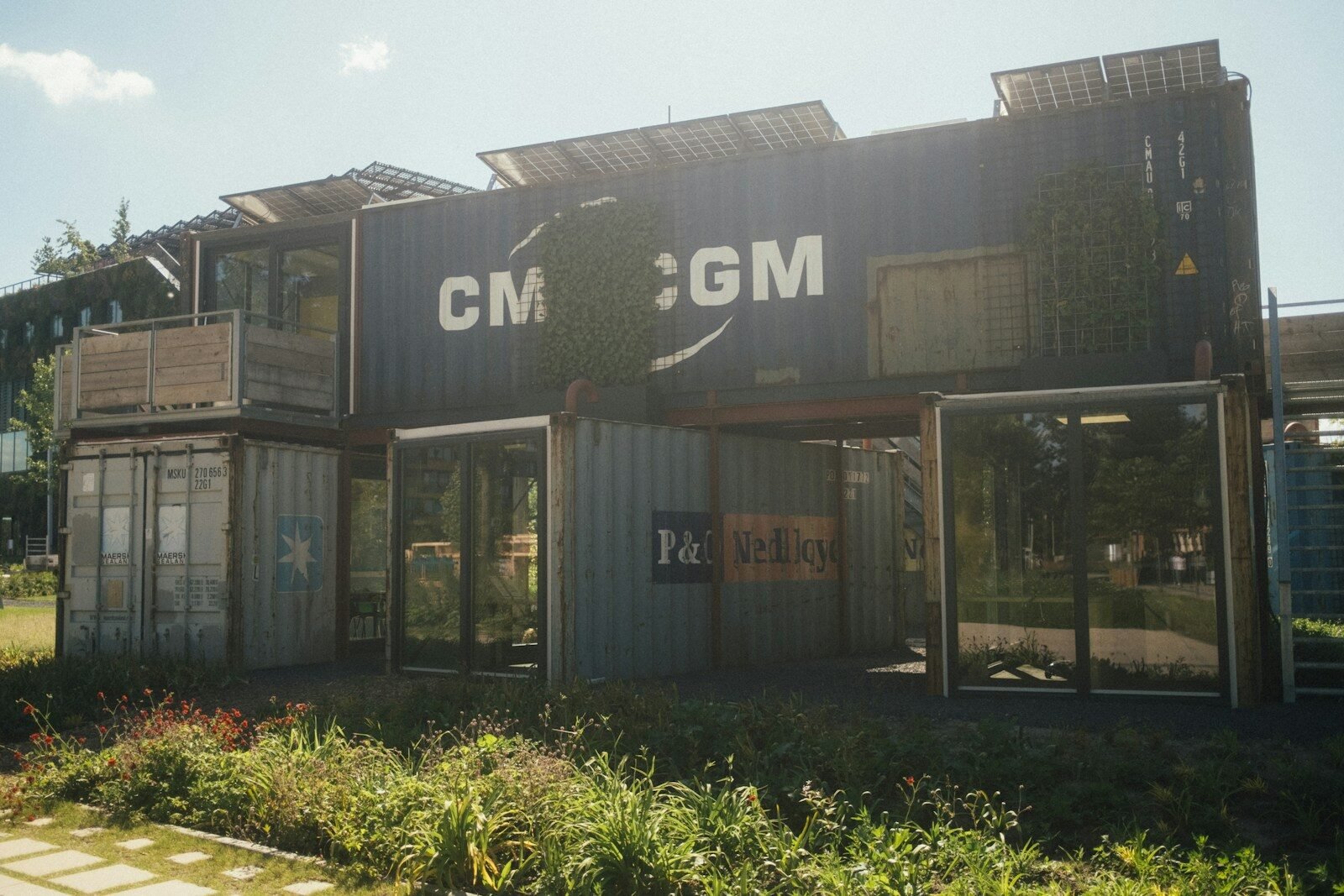
How to Choose the Right Portable Cabin for Your Business
Identifying Your Business Needs When selecting a portable cabin for a business, it is crucial to first identify and understand the specific needs that the cabin must fulfill. The purpose of the cabin plays a significant role in determining its design and functionality. It could serve as office space, a storage facility, or temporary housing for employees. Thus, clarifying the intended use is paramount in making informed choices. Size and layout are also essential considerations. Businesses should assess their operational requirements to ascertain how much space is necessary. For example, an office setup may require a larger square footage to accommodate desks and meeting areas, while a storage cabin might need less space but should offer strategic organizational capabilities. Assessing the size in relation to the number of personnel or the inventory to be stored will help in selecting an appropriately sized cabin. Moreover, particular features may be required to support specific activities. For instance, if the portable cabin will function as an office, amenities like insulation, electrical outlets, and internet connectivity become critical. On the other hand, a cabin designated for storage might require shelving, ventilation, and security installations. Considering these special features ensures that the cabin not only meets immediate needs but also supports long-term operational goals. By evaluating all these factors, businesses can align their choice of a portable cabin effectively with their mission and requirements. Assessing Location and Environment Considerations When choosing the right portable cabin for your business, assessing the intended location and environmental factors is critical. The placement of your portable cabin will significantly influence decisions regarding design, materials, and overall functionality. Various factors such as climate, terrain, accessibility, and zoning regulations must be thoroughly evaluated to ensure the cabin meets operational needs. The climate of the chosen location plays a pivotal role in determining insulation requirements and materials best suited for durability and comfort. For instance, in regions experiencing extreme temperatures, it is essential to select insulation that will keep the interior temperature stable, therefore enhancing energy efficiency. Additionally, if the area is prone to heavy rainfall or snowfall, the design must incorporate weather-resistant features to prevent moisture-related complications. Terrain also merits consideration; uneven or rocky landscapes may necessitate specific structural elements or foundation options to ensure stability and safety. Furthermore, accessibility to the site is crucial. If the portable cabin is situated in a remote area, logistical challenges may arise in transporting materials and setting up utilities, which could influence the size and design of the cabin. Another factor to weigh is zoning regulations, as they may dictate where portable cabins can be located and what types of modifications are permissible. Ensuring that the cabin complies with local building codes and zoning laws will facilitate smoother operations and can avert potential legal complications. By thoroughly assessing these location and environmental considerations, businesses can make informed decisions that cater to both functionality and compliance, ultimately ensuring the portable cabin serves its intended purpose effectively and efficiently. Comparing Portable Cabin Solutions and Vendors When selecting the right portable cabin for your business needs, it is essential to understand the various types of portable cabin solutions available. The market offers a wide range of options, from prefabricated cabins, which are mass-produced in a factory and delivered to site, to custom-built solutions that can be tailored to specific user requirements. Each type has its unique advantages and disadvantages. Prefabricated cabins are typically quicker to deploy and can be more cost-effective due to their standardized designs. They often come in various sizes and layouts, making them versatile for different applications, such as office spaces, temporary accommodations, or storage units. However, the main drawback is that they may not fully meet the unique specifications of every business, which can lead to limitations in usage. On the other hand, custom-built cabins provide the opportunity to create a space that is intricately designed to suit particular functional needs or aesthetic preferences. This option may involve higher costs and longer lead times, but the end product will usually align more closely with the user’s vision and operational demands. Evaluating your business requirements will help in determining which of these two solutions is appropriate. In addition to choosing the right cabin type, evaluating vendors is crucial in this decision-making process. It is advisable to compile a list of potential suppliers and assess them based on their reputation, product quality, and customer service. Questions to ask include their experience in the industry, warranty and maintenance provisions, delivery timelines, and the flexibility they offer in terms of alterations to designs. Furthermore, reviewing customer feedback and testimonials can provide significant insights into the reliability of the vendors, guiding you towards a more informed choice. Budgeting and Financing Your Portable Cabin When considering the acquisition of a portable cabin for business purposes, budgeting is a critical first step to ensure that the investment aligns with financial expectations. Begin by determining a realistic budget that encompasses not only the initial purchase price, but also the total costs associated with transportation, setup, and ongoing maintenance. This comprehensive financial overview allows for a more informed decision-making process. Transportation costs can vary significantly based on distance, type of vehicle required, and local regulations pertaining to moving large structures. Be sure to account for these expenses during your budgeting phase. Concurrently, installation costs should also be factored in, particularly if your portable cabin requires utility connections, permits, or site preparation. Assessing these elements holistically will provide a clearer picture of the overall financial commitment involved. When it comes to financing options, businesses have several pathways to explore. Traditional bank loans may offer competitive interest rates, while specialized lenders in modular buildings might provide tailored financing solutions specifically for portable cabins. Furthermore, leasing options should not be overlooked, as they can offer flexibility and lower upfront costs. It is essential to compare all available financing alternatives to identify the most beneficial arrangement that meets your unique business needs. While it may be tempting to prioritize lower costs when selecting a portable
Why Portable Cabins Are Better Than Traditional Buildings
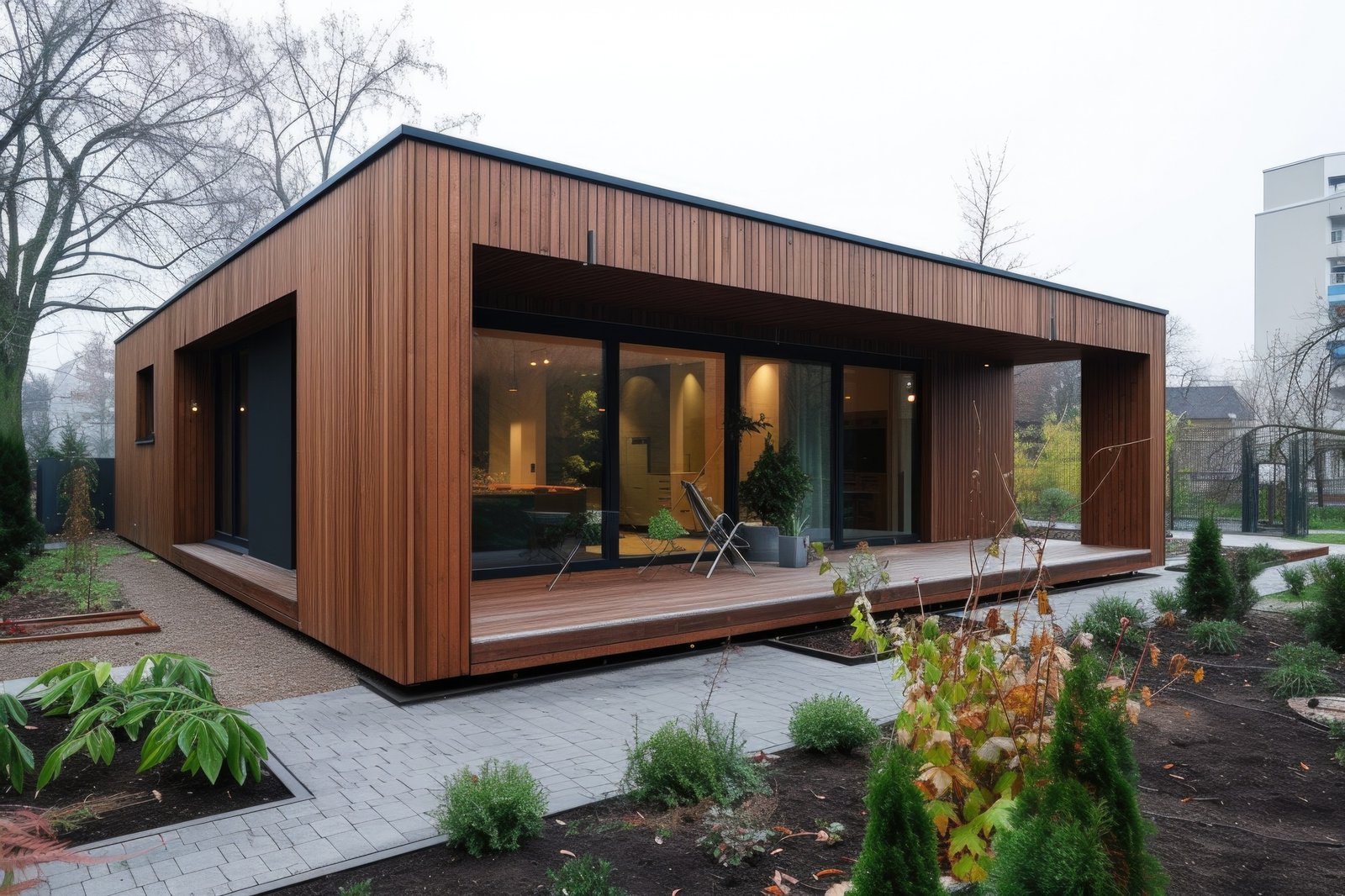
The Flexibility of Portable Cabins Portable cabins are increasingly recognized for their remarkable flexibility compared to traditional buildings. One of the primary advantages of portable cabins is their ability to be easily relocated. Unlike traditional structures, which are often fixed in place due to their permanent foundations, portable cabins can be transported to various locations with relative ease. This mobility provides users with options that may be essential for functions such as temporary workplaces, seasonal residences, or even for hosting events. As needs change, the adaptability of portable cabins becomes a significant asset. Another key aspect of flexibility is the ability to modify and customize portable cabins to meet specific user requirements. These structures often come with modular designs, allowing for simple alterations to layouts or configurations. Users can choose various finishes, layouts, and additional features to enhance comfort and utility. This flexibility in design contrasts sharply with traditional buildings, which often incur additional costs and time for renovations or modifications. The capacity to adapt portable cabins ensures that they can evolve alongside the needs of their occupants. The ability to repurpose portable cabins is another critical aspect of their versatility. After serving a particular function, these cabins can be easily transformed for a different use without the extensive renovation typically required for traditional buildings. For example, a portable cabin used as a temporary office could later serve as a cozy guest house or storage unit. This transformative potential underscores the practical benefits of portable cabins for a variety of situations. In an ever-changing world where needs can shift rapidly, the flexibility of portable cabins emerges as a compelling choice, providing solutions that traditional buildings often cannot accommodate. Their adaptability allows them to meet diverse requirements, ensuring value and functionality across multiple contexts. Cost-Effectiveness and Efficiency Portable cabins offer a unique approach to construction that significantly enhances their cost-effectiveness compared to traditional buildings. One of the most appealing factors of portable cabins is their lower initial costs. These structures are pre-manufactured in factories, reducing the need for extensive onsite labor and lengthy construction timelines. Due to this streamlined production process, consumers can invest in a functional space without amassing high expenses associated with conventional building methods. Beyond the initial investment, maintenance expenses for portable cabins are often considerably lower. Traditional buildings may require ongoing maintenance that includes regular repairs, plumbing issues, and more. Conversely, portable cabins are constructed using durable materials designed to withstand various environmental conditions, minimizing the need for frequent upkeep. This long-term cost saving further distinguishes portable cabins as an economical choice. Furthermore, the efficiency of installation for portable cabins contributes to their fiscal attractiveness. While traditional buildings can take months, or even years, to complete, portable cabins can be constructed and set up within a fraction of that time. Quick installation translates into reduced labor costs, allowing consumers to allocate their resources more effectively. The use of efficient design and smart engineering not only supports faster assembly but also ensures that the materials used are optimized, leading to additional savings. Lastly, this efficient use of materials and labor does not compromise quality. On the contrary, portable cabins maintain structural integrity, durability, and aesthetic appeal. This combination of factors makes portable cabins an ideal solution for those seeking to balance budget constraints with quality living or working spaces. By integrating these advantages, it becomes clear that portable cabins represent a economically viable solution compared to traditional building practices. Sustainability and Environmental Impact Portable cabins present a compelling alternative to traditional buildings, particularly in terms of sustainability and environmental impact. One of the primary advantages of these structures is their construction from eco-friendly materials. Modern portable cabins can be built using sustainable timber, recycled materials, and non-toxic finishes, significantly reducing the carbon footprint associated with building processes. This environmentally conscious approach ensures that the resources utilized are not only renewable but also locality sourced, promoting regional economies. Furthermore, the design of portable cabins often incorporates energy-efficient features such as enhanced insulation, solar panels, and energy-efficient appliances. These technologies decrease energy consumption and lessen reliance on fossil fuels, making these structures far more sustainable. By integrating renewable energy systems, such as solar or wind power, portable cabins can effectively function off the grid, which is increasingly appealing to those pursuing eco-friendly lifestyles. This capability supports sustainable living initiatives and allows occupants to enjoy independence from conventional energy sources. The environmental impact of traditional building methods is well-documented, with significant waste generated from construction processes and the extensive resource use over the lifespan of such structures. Portable cabins, conversely, promote reduced waste during both their construction and operational phases. Their prefabricated nature results in minimal onsite assembly time, thus lowering site disturbance and material wastage. Additionally, when the time comes to relocate or repurpose these cabins, they can be easily disassembled without contributing to landfill waste, providing a more sustainable lifecycle. Overall, portable cabins embody a shift towards sustainable architecture. They not only minimize environmental impact through responsible building practices but also offer flexible living solutions that align with modern eco-friendly expectations. As such, their adoption can significantly contribute to a more sustainable future. Versatile Applications and Use Cases Portable cabins have emerged as an innovative solution that transcends traditional building constraints, offering diverse applications across multiple sectors. In the field of education, portable classrooms are becoming increasingly popular due to their adaptability and cost-effectiveness. Schools are utilizing these cabins to address overcrowding and to serve as temporary facilities during renovations, ensuring that educational activities can continue smoothly without significant disruption. In healthcare, portable cabins have proven to be instrumental, particularly in times of crisis, such as during public health emergencies. These structures can be transformed into temporary clinics or vaccination centers, allowing medical professionals to respond quickly and efficiently to community health needs. Their mobility allows for relocation to areas that require immediate assistance, thus significantly enhancing the healthcare delivery process. The hospitality industry also sees the potential of portable cabins. Hotels are increasingly integrating modular cabins for
10 Benefits of Portable Cabins for Construction Projects
Cost-Effectiveness of Portable Cabins Portable cabins offer a practical solution for construction projects, becoming increasingly popular due to their cost-effectiveness. One of the primary financial advantages is the significant reduction in the need for traditional permanent structures. By utilizing portable cabins, construction firms can circumvent extensive building expenses, opting for a more efficient alternative that can be deployed on-site with minimal time and effort. Moreover, the overall overhead costs associated with portable cabins are markedly lower. This includes reductions in labor costs, as fewer workers are required for assembly and setup compared to constructing fixed buildings. The materials needed for portable cabins are also typically less expensive, further contributing to the lowered financial burden. The capacity to install and dismantle these cabins swiftly lends itself to increased productivity, allowing construction timelines to be shortened, thus saving money in the long run. In addition to initial savings, portable cabins can provide lasting financial benefits through potential tax advantages. Many jurisdictions offer tax incentives for companies using mobile units due to their flexibility and temporary nature. This can aid in mitigating the expenses associated with purchasing and maintaining traditional buildings. Furthermore, lower utility expenses are a common outcome when utilizing portable cabins. These structures can be designed to be energy efficient, leading to reduced energy costs that can accumulate over time, adding to the overall cost savings. Ultimately, the cost-effectiveness of portable cabins positions them as an economically wise choice for construction projects. By decreasing the need for permanent infrastructure, lowering overhead costs, and presenting opportunities for tax benefits and reduced utility expenses, portable cabins can substantially strengthen the financial viability of construction initiatives. Flexibility and Mobility One of the primary advantages of using portable cabins in construction projects is their inherent flexibility and mobility. These cabins are designed to be easily transported, allowing construction companies to relocate them as needed based on the evolving requirements of a project. This adaptability is particularly beneficial in dynamic construction environments, where project specifications and on-site conditions often change rapidly. The mobility offered by portable cabins means that they can be set up or dismantled swiftly, facilitating quick transitions between different stages of construction. For instance, if a project site moves due to regulatory issues or changes in client demands, portable cabins can be relocated almost effortlessly to ensure continuous operations without significant downtime. This capability not only enhances operational efficiency but also contributes to cost savings by reducing the need for extensive re-infrastructure. Furthermore, the design of portable cabins allows for various configurations. They can serve multiple purposes, including offices, storage spaces, or even break rooms for workers, thereby providing flexible solutions tailored to specific project needs. The ability to modify the arrangement and use of space means that teams can create a more organized and functional work environment, regardless of the location. In addition, with portable cabins, companies are not tethered to a long-term lease or permanent infrastructure, which often involves higher costs and commitment. In summary, the flexibility and mobility of portable cabins play a crucial role in facilitating efficient construction processes. By allowing for quick setups and easy relocations, these cabins provide dynamic space solutions that can adapt to the shifting landscapes of construction projects. Fast and Easy Setup One of the most significant advantages of portable cabins in construction projects is their fast and easy setup compared to traditional construction methods. When using pre-fabricated structures, the time from conception to completion is drastically reduced, allowing for immediate use on site. Traditional construction often involves lengthy processes of planning, site preparation, and extensive building time. By contrast, portable cabins are designed to be quickly assembled and dismantled, which enables them to be deployed at construction sites with minimal disruption. The ready-to-use nature of these cabins means that they can be transported to any location, provided the site itself meets necessary space and access requirements. Additionally, the construction and installation of portable cabins typically require fewer labor hours than conventional building practices. This efficiency not only accelerates project timelines but also minimizes labor costs, which can be particularly beneficial in budget-constrained scenarios. Furthermore, as the cabins are pre-assembled and inspected in controlled factory settings, they generally come with guaranteed quality and durability, further streamlining the setup process. The fast and efficient setup of portable cabins not only leads to quicker project completion but also reduces downtime associated with delays in construction. Such rapid deployment allows construction managers to allocate resources more effectively, helping to maintain project momentum. In industries where time is equivalent to money, the benefits of a quicker setup cannot be overstated. Improved Worker Comfort and Productivity Portable cabins have emerged as a transformative solution for construction sites, primarily due to their ability to significantly enhance worker comfort and productivity. By ensuring that workers have access to essential amenities, these cabins create a favorable workplace environment. Key features often found in portable cabins include heating and cooling systems, restroom facilities, and designated break areas, all of which play a critical role in fostering a productive workforce. Firstly, adequate climate control is paramount on construction sites, where workers are exposed to harsh weather conditions. Portable cabins equipped with heating and cooling systems not only provide shelter from temperature extremes but also help maintain an optimal working environment throughout the year. This climate-controlled setting can dramatically reduce fatigue and improve concentration levels among workers, ultimately leading to higher efficiency. Furthermore, the inclusion of restrooms within portable cabins eliminates the need for workers to travel long distances to find sanitary facilities. This not only saves time but also enhances the overall hygiene standards on the site, contributing to a more favorable working atmosphere. Another key aspect is the provision of well-designed break areas. These spaces allow workers to relax and recharge during their breaks, which is essential for maintaining morale and reducing stress. By creating a comfortable and supportive environment, portable cabins contribute to enhanced job satisfaction among workers. Studies have shown that when employees feel cared for and valued, their productivity