
Introduction to Portable Cabins
Portable cabins have undergone significant evolution since their inception, aligning with the changing needs of consumers and industries alike. Originally created as temporary accommodations for construction sites and military purposes, these structures have diversified in their applications over the years. Their foundations date back to the early 20th century, with wartime demands necessitating the quick and efficient assembly of living spaces in remote locations.
In traditional settings, portable cabins served limited functionality; however, the modern era has witnessed their transformation into versatile solutions for various industries, including education, healthcare, and housing. Enhanced mobility has increased their appeal, allowing these cabins to be transported easily, relocated, and adapted according to the specific requirements of a project or site. This adaptability makes them suitable not only for temporary uses but also for long-term solutions.
The rising interest in portable cabins can be attributed to numerous factors, particularly their cost-effectiveness and sustainability. In times of economic uncertainty, businesses and individuals alike are seeking solutions that minimize financial burdens without compromising quality. Portable cabins often fit this criterion, providing essential space with lower investment and maintenance costs compared to traditional buildings.
Recent market trends indicate a growing preference for portable cabins, spurred by their ability to meet the increasing demand for affordable housing and flexible workspace solutions. Statistics reveal a notable increase in the production and sales of these cabins, reflecting their status as a viable alternative in the construction and housing sectors. Today, their applications continue to expand, further emphasizing the importance of incorporating sustainable practices and modern innovations into their design and functionality.
Sustainability in Portable Cabin Design
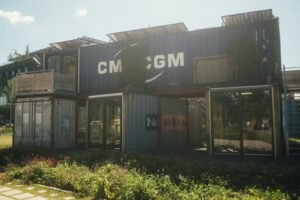
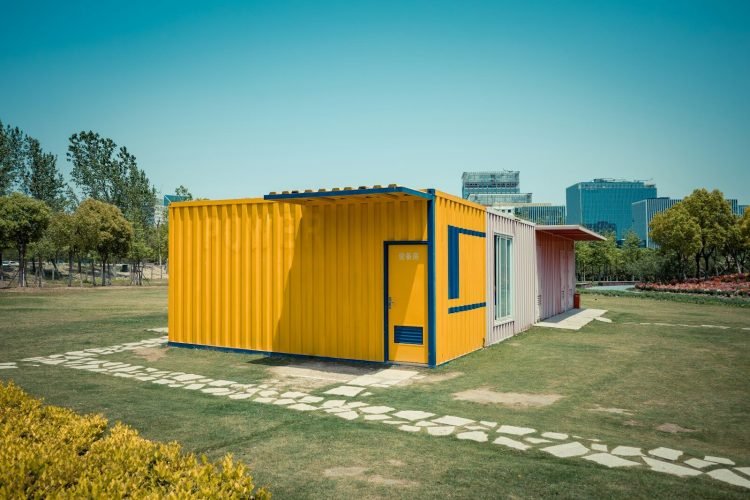
The design and construction of portable cabins increasingly prioritize sustainability, aligning with global efforts to reduce ecological footprints and promote environmentally friendly practices. One innovative approach involves using recycled materials, which significantly minimizes waste and resource consumption. Portable cabins can be constructed using repurposed wood, metal, and plastics, thereby diverting these materials from landfills and reducing the demand for new raw resources.
Moreover, energy efficiency is a crucial element in the design of these cabins. Incorporating features such as high-quality insulation, energy-efficient windows, and appliances allows portable cabins to maintain comfortable temperatures while consuming minimal energy. Such designs not only reduce the operational costs for occupants but also contribute to a lower carbon footprint, making these structures a compelling alternative to traditional buildings.
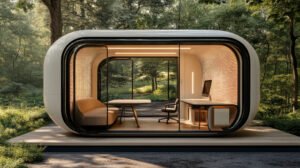
Integrating renewable energy sources is another remarkable aspect of sustainable portable cabin design. Many modern cabins can be outfitted with solar panels that harness sunlight to produce electricity. This integration not only reduces reliance on non-renewable energy but also offers occupants energy independence, particularly in remote locations where traditional energy sources may not be readily available. Such sustainable practices underscore the versatility of portable cabins as viable solutions for housing, offices, or recreational spaces, while simultaneously endorsing green living initiatives.
In addition to the material and design considerations, the environmental benefits of portable cabins extend beyond their construction. Their mobility allows for flexible site placement and reduced land development impacts, which further minimizes disturbances to natural habitats. By choosing portable cabins, individuals and organizations can promote sustainable living, reflecting a conscientious approach to environmental stewardship in various settings.
Flexibility and Adaptability of Portable Cabins
One of the most remarkable features of portable cabins is their inherent flexibility and adaptability, rendering them suitable for a wide variety of applications across multiple contexts. These structures can serve as comfortable and functional housing solutions, efficient office spaces, temporary event venues, and even emergency shelters in times of need. While traditional construction often involves lengthy planning and execution periods, portable cabins provide a timely alternative, allowing individuals or organizations to respond quickly to their changing requirements.
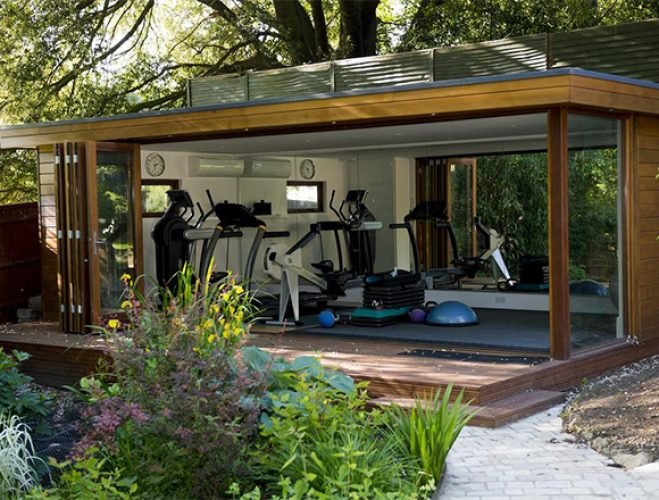
In housing situations, portable cabins can be customized to reflect personal tastes and needs, accommodating families, singles, or even co-living arrangements. This customization can extend to amenities, layout, and exterior finishes, allowing for a unique and personalized living experience. Additionally, these structures can easily be relocated, which can be particularly advantageous for those who frequently move or need to adapt to new surroundings.
Commercial enterprises have also started recognizing the benefits of portable cabins. From pop-up shops to office space solutions in remote areas, businesses have successfully integrated portable cabins into their operational frameworks. Events such as festivals and fairs have utilized portable cabins not only as ticket booths but also as hospitality suites and vendor spaces, providing a cohesive and seamless experience for participants and attendees alike.
Moreover, the versatility of portable cabins shines during emergencies. They can be quickly deployed to affected regions, offering temporary housing or medical facilities when conventional infrastructure is compromised. Numerous examples exist of organizations utilizing portable cabins as resilient solutions in disaster-stricken areas, demonstrating the capacity of these structures to adapt and meet urgent needs. Overall, the flexibility and adaptability of portable cabins signify a shift towards innovative approaches in addressing diverse living and working scenarios.
Cost-Effectiveness of Portable Cabins
Portable cabins have emerged as a viable alternative to traditional building methods, offering substantial economic advantages that appeal to various sectors, including residential, commercial, and temporary housing markets. The initial investment costs associated with portable cabins are generally lower than that of conventional buildings. This cost advantage stems from their streamlined manufacturing processes and reduced labor requirements, enabling quicker assembly and access to occupancy.
One of the most notable financial benefits of portable cabins is the reduction in construction time. Builders can set up portable cabins in a fraction of the time it takes to construct traditional structures. This efficiency not only accelerates project timelines but also minimizes labor costs and reduces the risk of budget overruns due to delays.
Ongoing maintenance for portable cabins is typically less demanding as well. Many portable units are constructed from durable, sustainable materials designed to withstand various environmental conditions. This resilience translates to lower long-term maintenance expenses compared to conventional buildings, which often require regular upkeep and repairs. Furthermore, the flexibility of portable cabins allows for easy relocation and repurposing, thus extending the lifespan of the investment.
When compared to other forms of housing and temporary structures, portable cabins demonstrate clear financial viability. For instance, they can serve as affordable housing solutions in crisis situations or as on-site accommodation for workers in remote locations. Case studies reveal successful implementations where organizations have realized substantial savings by choosing portable cabins over traditional permanent buildings. These examples reinforce the notion that portable cabins are not only cost-effective but also versatile and pragmatic solutions for various housing needs.