
The Flexibility of Portable Cabins
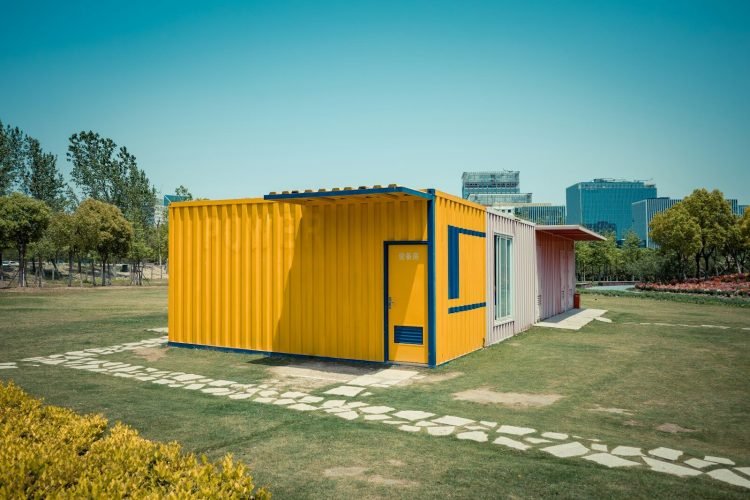
Portable cabins are increasingly recognized for their remarkable flexibility compared to traditional buildings. One of the primary advantages of portable cabins is their ability to be easily relocated. Unlike traditional structures, which are often fixed in place due to their permanent foundations, portable cabins can be transported to various locations with relative ease. This mobility provides users with options that may be essential for functions such as temporary workplaces, seasonal residences, or even for hosting events. As needs change, the adaptability of portable cabins becomes a significant asset.
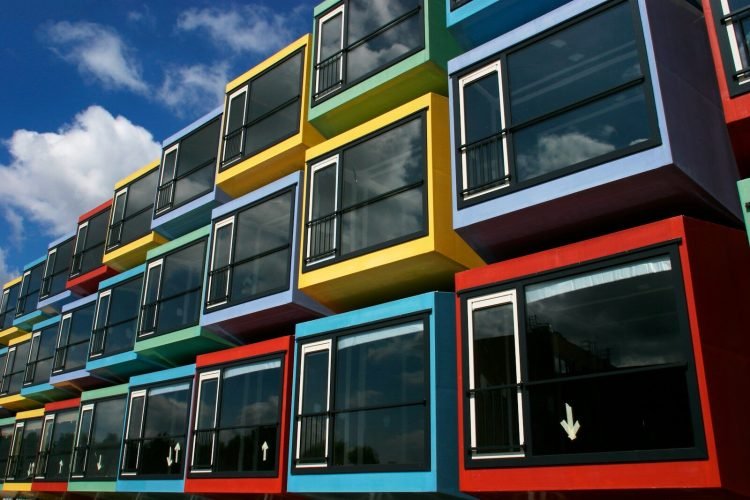
Another key aspect of flexibility is the ability to modify and customize portable cabins to meet specific user requirements. These structures often come with modular designs, allowing for simple alterations to layouts or configurations. Users can choose various finishes, layouts, and additional features to enhance comfort and utility. This flexibility in design contrasts sharply with traditional buildings, which often incur additional costs and time for renovations or modifications. The capacity to adapt portable cabins ensures that they can evolve alongside the needs of their occupants.
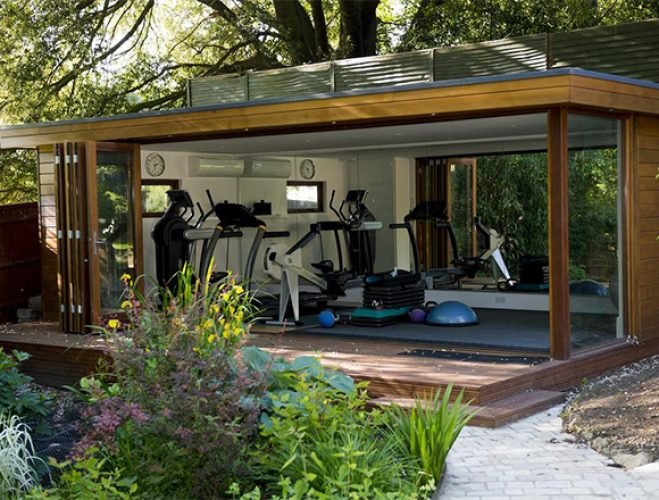
The ability to repurpose portable cabins is another critical aspect of their versatility. After serving a particular function, these cabins can be easily transformed for a different use without the extensive renovation typically required for traditional buildings. For example, a portable cabin used as a temporary office could later serve as a cozy guest house or storage unit. This transformative potential underscores the practical benefits of portable cabins for a variety of situations.
In an ever-changing world where needs can shift rapidly, the flexibility of portable cabins emerges as a compelling choice, providing solutions that traditional buildings often cannot accommodate. Their adaptability allows them to meet diverse requirements, ensuring value and functionality across multiple contexts.
Cost-Effectiveness and Efficiency
Portable cabins offer a unique approach to construction that significantly enhances their cost-effectiveness compared to traditional buildings. One of the most appealing factors of portable cabins is their lower initial costs. These structures are pre-manufactured in factories, reducing the need for extensive onsite labor and lengthy construction timelines. Due to this streamlined production process, consumers can invest in a functional space without amassing high expenses associated with conventional building methods.
Beyond the initial investment, maintenance expenses for portable cabins are often considerably lower. Traditional buildings may require ongoing maintenance that includes regular repairs, plumbing issues, and more. Conversely, portable cabins are constructed using durable materials designed to withstand various environmental conditions, minimizing the need for frequent upkeep. This long-term cost saving further distinguishes portable cabins as an economical choice.
Furthermore, the efficiency of installation for portable cabins contributes to their fiscal attractiveness. While traditional buildings can take months, or even years, to complete, portable cabins can be constructed and set up within a fraction of that time. Quick installation translates into reduced labor costs, allowing consumers to allocate their resources more effectively. The use of efficient design and smart engineering not only supports faster assembly but also ensures that the materials used are optimized, leading to additional savings.
Lastly, this efficient use of materials and labor does not compromise quality. On the contrary, portable cabins maintain structural integrity, durability, and aesthetic appeal. This combination of factors makes portable cabins an ideal solution for those seeking to balance budget constraints with quality living or working spaces. By integrating these advantages, it becomes clear that portable cabins represent a economically viable solution compared to traditional building practices.
Sustainability and Environmental Impact
Portable cabins present a compelling alternative to traditional buildings, particularly in terms of sustainability and environmental impact. One of the primary advantages of these structures is their construction from eco-friendly materials. Modern portable cabins can be built using sustainable timber, recycled materials, and non-toxic finishes, significantly reducing the carbon footprint associated with building processes. This environmentally conscious approach ensures that the resources utilized are not only renewable but also locality sourced, promoting regional economies.
Furthermore, the design of portable cabins often incorporates energy-efficient features such as enhanced insulation, solar panels, and energy-efficient appliances. These technologies decrease energy consumption and lessen reliance on fossil fuels, making these structures far more sustainable. By integrating renewable energy systems, such as solar or wind power, portable cabins can effectively function off the grid, which is increasingly appealing to those pursuing eco-friendly lifestyles. This capability supports sustainable living initiatives and allows occupants to enjoy independence from conventional energy sources.
The environmental impact of traditional building methods is well-documented, with significant waste generated from construction processes and the extensive resource use over the lifespan of such structures. Portable cabins, conversely, promote reduced waste during both their construction and operational phases. Their prefabricated nature results in minimal onsite assembly time, thus lowering site disturbance and material wastage. Additionally, when the time comes to relocate or repurpose these cabins, they can be easily disassembled without contributing to landfill waste, providing a more sustainable lifecycle.
Overall, portable cabins embody a shift towards sustainable architecture. They not only minimize environmental impact through responsible building practices but also offer flexible living solutions that align with modern eco-friendly expectations. As such, their adoption can significantly contribute to a more sustainable future.
Versatile Applications and Use Cases
Portable cabins have emerged as an innovative solution that transcends traditional building constraints, offering diverse applications across multiple sectors. In the field of education, portable classrooms are becoming increasingly popular due to their adaptability and cost-effectiveness. Schools are utilizing these cabins to address overcrowding and to serve as temporary facilities during renovations, ensuring that educational activities can continue smoothly without significant disruption.
In healthcare, portable cabins have proven to be instrumental, particularly in times of crisis, such as during public health emergencies. These structures can be transformed into temporary clinics or vaccination centers, allowing medical professionals to respond quickly and efficiently to community health needs. Their mobility allows for relocation to areas that require immediate assistance, thus significantly enhancing the healthcare delivery process.
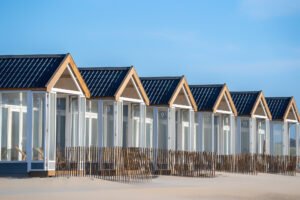
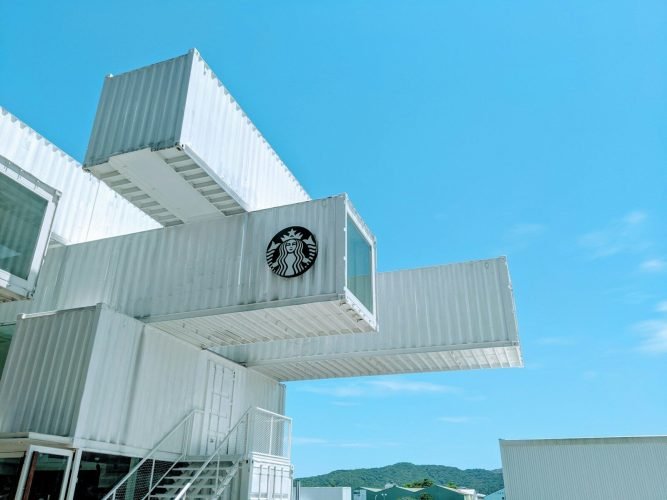
The hospitality industry also sees the potential of portable cabins. Hotels are increasingly integrating modular cabins for guests seeking a unique experience, such as glamping orVacation rentals. This trend not only reduces construction time but also allows businesses to diversify their offerings by providing unique accommodations in various scenic locations.
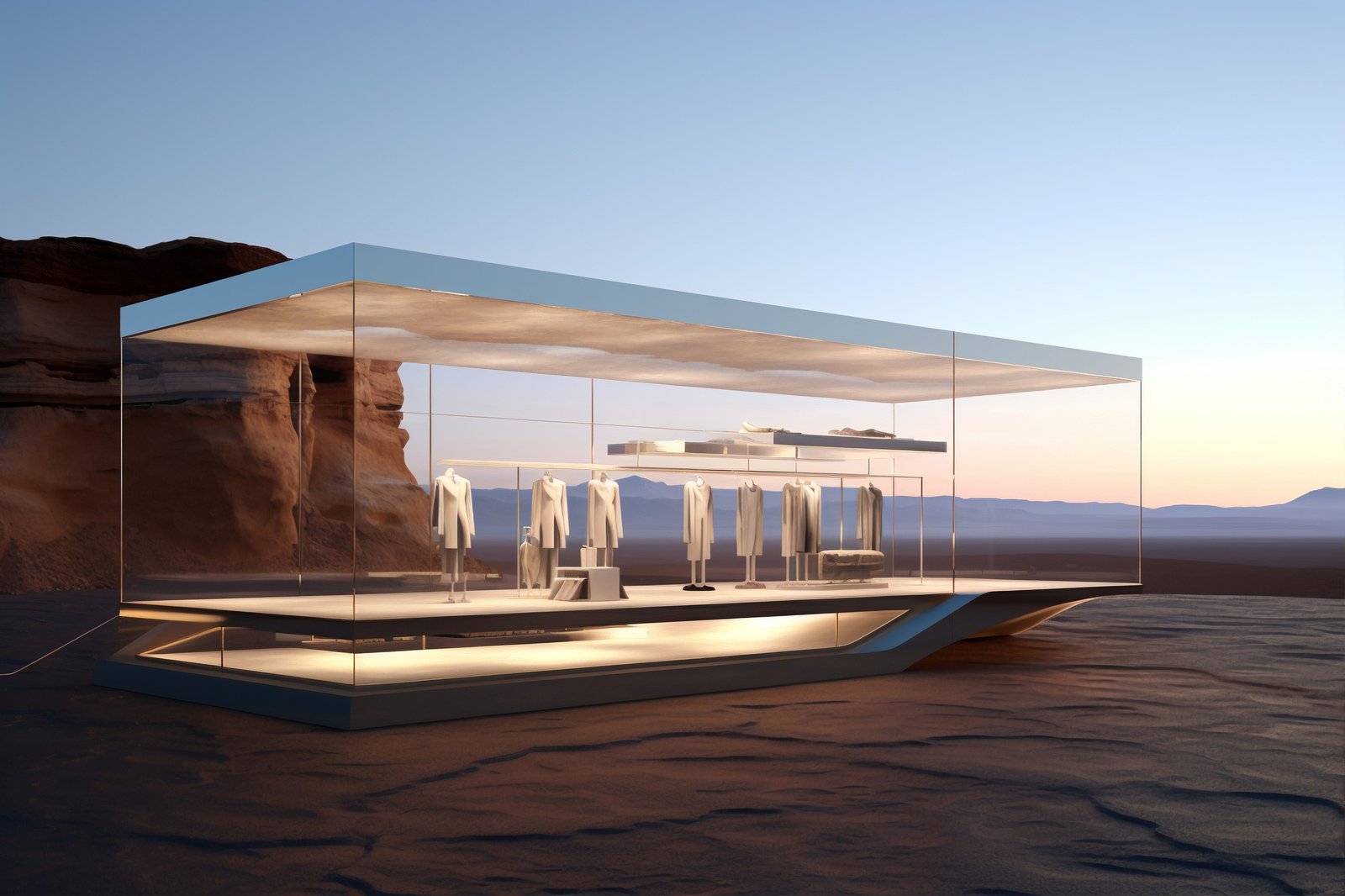
In the retail sector, portable cabins are being used as pop-up shops or temporary sales locations. These adaptable spaces can easily be set up for seasonal events or new product launches, giving retailers the flexibility to reach customers in various locations. The use of portable cabins in retail environment fosters an engaging customer experience while optimizing operational costs.
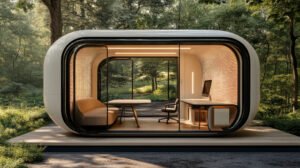
Lastly, with the rise of remote work, many companies are turning to portable cabins as onsite offices. These flexible workspaces allow employees to collaborate effectively while maintaining a comfortable and functional work environment. Portable cabins meet the evolving needs of businesses by ensuring that employees have the necessary infrastructure even in remote locations.