
1. Construction Sites: Temporary Offices and Storage
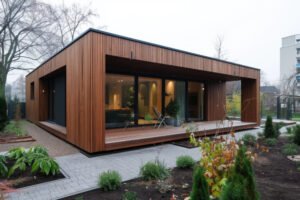
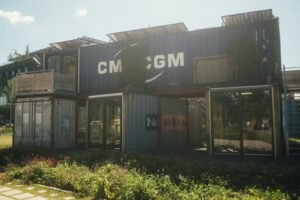
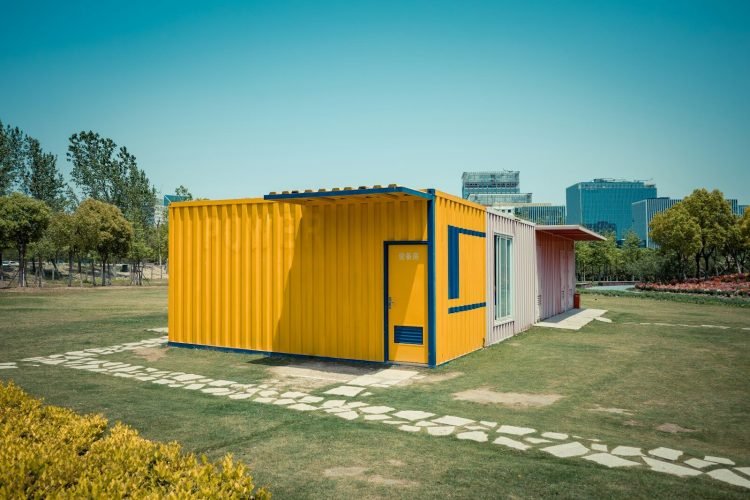
Portable cabins are increasingly recognized as vital assets on construction sites, addressing the critical need for multifunctional spaces. These cabins are often utilized as temporary offices where project managers and supervisors can conduct meetings, plan schedules, and oversee activities without being exposed to the unpredictable weather conditions commonly associated with outdoor operations. The enclosed environment of a portable cabin fosters a more focused and efficient workspace, allowing teams to collaborate on projects and ensuring that crucial decisions can be made promptly.
Moreover, portable cabins serve as designated break rooms for construction workers. Providing a sheltered space for employees to rest and recharge is essential for maintaining morale and productivity on-site. The presence of such facilities can significantly enhance the work experience, enabling personnel to take breaks in a safe environment, thereby boosting overall job satisfaction.
In addition to their use as offices and break rooms, portable cabins are invaluable for secure storage of tools and equipment. Construction sites often see a large influx of expensive machinery and materials, making proper storage critical to avoid theft and damage. Portable cabins provide a secure location for the storage of these essential items, ensuring that they are safeguarded against adverse weather conditions and potential theft. By centralizing these storage needs within portable cabins, contractors can maintain organized operations and ensure that equipment is easily accessible when needed. This contributes to efficient workflows and minimizes delays due to misplaced or damaged tools.
Overall, the versatility of portable cabins on construction sites enhances operational efficiency, protects valuable resources, and contributes to a more organized work environment, ultimately benefiting all stakeholders involved.
Healthcare Services: Mobile Clinics and Patient Care
In the healthcare sector, portable cabins play a pivotal role in enhancing access to medical services, particularly in challenging environments. These mobile clinics are designed to be flexible and can be deployed rapidly to remote locations or areas afflicted by emergencies, such as natural disasters or disease outbreaks. The design and construction of portable cabins cater to the essential requirements of healthcare services, allowing for the integration of necessary medical equipment and facilities.
Mobile clinics made from portable cabins are equipped with examination rooms, diagnostic equipment, and often include areas for patient registration and waiting. This setup significantly aids healthcare providers in delivering preventative care, vaccinations, and community health services directly to underserved populations. The versatility of portable cabins enables them to serve as triage units during critical incidents, where quick medical interventions are essential.
Moreover, these temporary facilities offer advantages in terms of rapid deployment and adaptability. During public health emergencies or in rural locations, when traditional healthcare infrastructure might be lacking, portable cabins can be swiftly assembled and operational. This immediacy is crucial, as it allows medical staff to respond promptly to health crises, thereby improving overall patient care and outcomes.
Furthermore, the use of mobile clinics in portable cabins reduces the burden on existing healthcare facilities, allowing hospitals and clinics to focus on more severe cases while routine and preventive care is handled on-site. By utilizing portable cabins in healthcare, providers can reach a broader demographic, ensuring that even the most marginalized groups receive the medical attention they need. Thus, the strategic deployment of these mobile units not only enhances healthcare accessibility but also contributes to a more resilient health system capable of addressing various challenges.
Education: Classrooms and Training Facilities
Portable cabins have emerged as a multifunctional solution within the education sector, serving various purposes such as temporary classrooms, training facilities, and even administrative offices. The versatility of these structures makes them an attractive option for educational institutions facing fluctuating student numbers or undergoing renovations. Their ability to be installed quickly allows schools to scale their infrastructure without undergoing lengthy construction processes.
With the steady increase in student enrollment in many regions, traditional classroom spaces often reach maximum capacity. Portable classrooms can be swiftly deployed, providing the extra space that is crucial for uninterrupted learning experiences. These structures are not only designed for functionality but also incorporate features that align with educational standards, ensuring a conducive learning environment. Flexible seating arrangements, adequate lighting, and access to technology can be easily integrated into portable cabins to enhance the educational experience.
Moreover, during periods of renovation or construction, educational institutions face the challenge of maintaining their operations. Employing portable cabins allows schools to continue delivering quality education without significant disruptions. This ensures that students can focus on their studies while still benefiting from the resources available in a traditional school setting. In instances where temporary training facilities are required, portable cabins can also serve as ideal spaces for vocational training, workshops, or extracurricular activities, thereby enhancing the professional preparedness of students.
In essence, the utilization of portable cabins within the education sector not only addresses space-related challenges but also exemplifies adaptability and cost-effectiveness. Their implementation signifies a commitment to maintaining educational quality while navigating logistical constraints, proving that portable solutions can significantly impact the educational landscape.
Hospitality: Extra Accommodation and Event Space
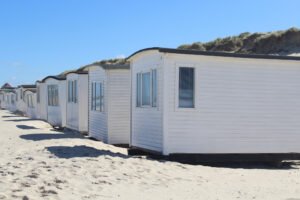
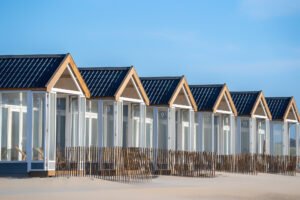
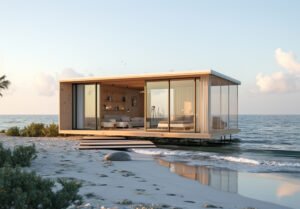
The hospitality industry is continuously evolving to meet the changing demands of guests and the challenges posed by fluctuating occupancy rates. One innovative solution that has emerged is the use of portable cabins, which serve multiple purposes such as extra accommodation units, event spaces, or staff lodgings. This versatility allows hotels, resorts, and other hospitality establishments to expand their offerings flexibly, especially during peak seasons or special events.
Portable cabins provide unique advantages over traditional accommodations. They can be rapidly deployed, allowing businesses to react efficiently to sudden surges in demand. For instance, hotels may utilize these cabins as temporary lodging during festivals or conferences, providing guests with additional options without the extensive time and investment required for permanent construction. This adaptability not only enhances guest experiences but also ensures operational efficiency, allowing hospitality businesses to maximize their resources.
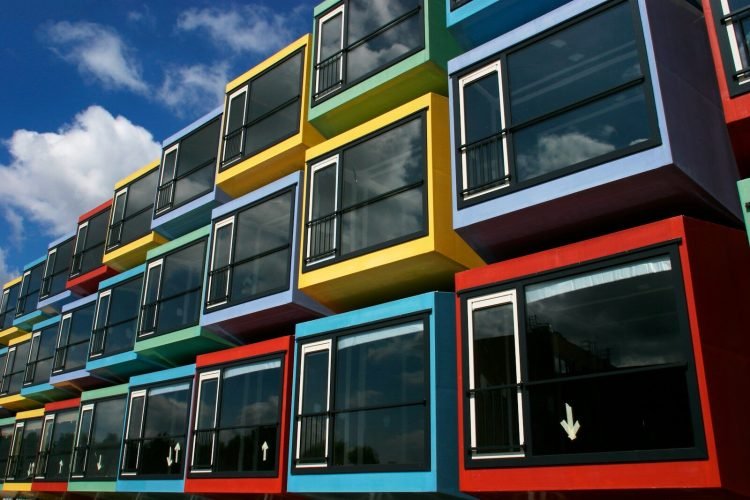
Moreover, portable cabins can be designed to reflect the character of their surrounding environment, offering an appealing aesthetic that aligns with the branding of the establishment. This customization enhances the overall guest experience while maintaining a level of comfort and convenience similar to conventional hotel rooms. In larger resorts, these cabins can also serve as dedicated event spaces, creating an atmosphere conducive to gatherings, workshops, or retreats.
As sustainability and environmental considerations become increasingly important, many portable cabins are designed with energy-efficient features and eco-friendly materials. This aligns with the growing trend in hospitality toward sustainable practices, appealing to eco-conscious travelers. Overall, the integration of portable cabins into the hospitality sector not only elevates guest satisfaction but also promotes operational effectiveness, making them a pragmatic choice for establishments looking to innovate their service offerings.