
Cost-Effectiveness of Portable Cabins
Portable cabins offer a practical solution for construction projects, becoming increasingly popular due to their cost-effectiveness. One of the primary financial advantages is the significant reduction in the need for traditional permanent structures. By utilizing portable cabins, construction firms can circumvent extensive building expenses, opting for a more efficient alternative that can be deployed on-site with minimal time and effort.
Moreover, the overall overhead costs associated with portable cabins are markedly lower. This includes reductions in labor costs, as fewer workers are required for assembly and setup compared to constructing fixed buildings. The materials needed for portable cabins are also typically less expensive, further contributing to the lowered financial burden. The capacity to install and dismantle these cabins swiftly lends itself to increased productivity, allowing construction timelines to be shortened, thus saving money in the long run.
In addition to initial savings, portable cabins can provide lasting financial benefits through potential tax advantages. Many jurisdictions offer tax incentives for companies using mobile units due to their flexibility and temporary nature. This can aid in mitigating the expenses associated with purchasing and maintaining traditional buildings. Furthermore, lower utility expenses are a common outcome when utilizing portable cabins. These structures can be designed to be energy efficient, leading to reduced energy costs that can accumulate over time, adding to the overall cost savings.
Ultimately, the cost-effectiveness of portable cabins positions them as an economically wise choice for construction projects. By decreasing the need for permanent infrastructure, lowering overhead costs, and presenting opportunities for tax benefits and reduced utility expenses, portable cabins can substantially strengthen the financial viability of construction initiatives.
Flexibility and Mobility
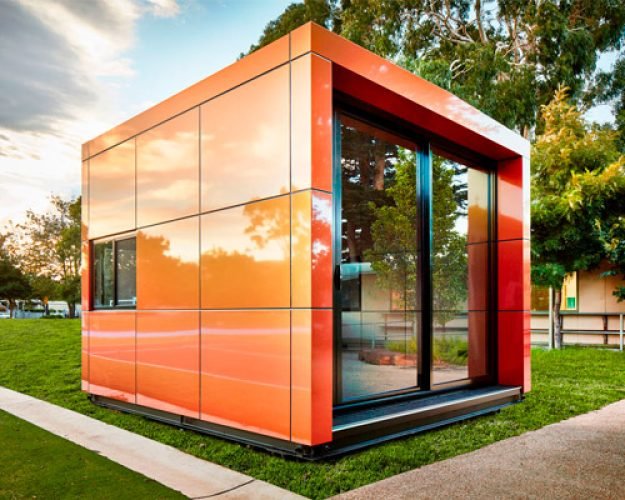
One of the primary advantages of using portable cabins in construction projects is their inherent flexibility and mobility. These cabins are designed to be easily transported, allowing construction companies to relocate them as needed based on the evolving requirements of a project. This adaptability is particularly beneficial in dynamic construction environments, where project specifications and on-site conditions often change rapidly.
The mobility offered by portable cabins means that they can be set up or dismantled swiftly, facilitating quick transitions between different stages of construction. For instance, if a project site moves due to regulatory issues or changes in client demands, portable cabins can be relocated almost effortlessly to ensure continuous operations without significant downtime. This capability not only enhances operational efficiency but also contributes to cost savings by reducing the need for extensive re-infrastructure.
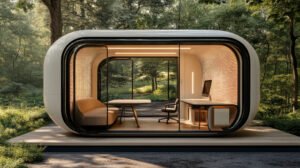
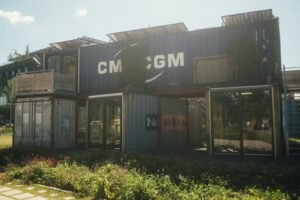
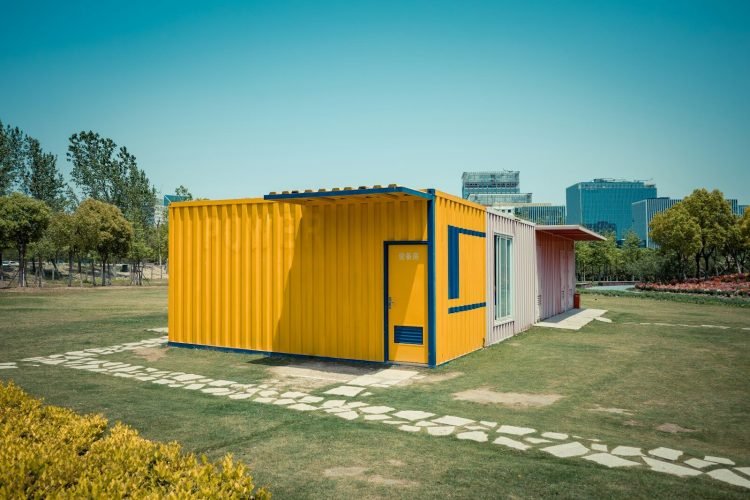
Furthermore, the design of portable cabins allows for various configurations. They can serve multiple purposes, including offices, storage spaces, or even break rooms for workers, thereby providing flexible solutions tailored to specific project needs. The ability to modify the arrangement and use of space means that teams can create a more organized and functional work environment, regardless of the location. In addition, with portable cabins, companies are not tethered to a long-term lease or permanent infrastructure, which often involves higher costs and commitment.
In summary, the flexibility and mobility of portable cabins play a crucial role in facilitating efficient construction processes. By allowing for quick setups and easy relocations, these cabins provide dynamic space solutions that can adapt to the shifting landscapes of construction projects.
Fast and Easy Setup
One of the most significant advantages of portable cabins in construction projects is their fast and easy setup compared to traditional construction methods. When using pre-fabricated structures, the time from conception to completion is drastically reduced, allowing for immediate use on site.
Traditional construction often involves lengthy processes of planning, site preparation, and extensive building time. By contrast, portable cabins are designed to be quickly assembled and dismantled, which enables them to be deployed at construction sites with minimal disruption. The ready-to-use nature of these cabins means that they can be transported to any location, provided the site itself meets necessary space and access requirements.
Additionally, the construction and installation of portable cabins typically require fewer labor hours than conventional building practices. This efficiency not only accelerates project timelines but also minimizes labor costs, which can be particularly beneficial in budget-constrained scenarios. Furthermore, as the cabins are pre-assembled and inspected in controlled factory settings, they generally come with guaranteed quality and durability, further streamlining the setup process.
The fast and efficient setup of portable cabins not only leads to quicker project completion but also reduces downtime associated with delays in construction. Such rapid deployment allows construction managers to allocate resources more effectively, helping to maintain project momentum. In industries where time is equivalent to money, the benefits of a quicker setup cannot be overstated.
Improved Worker Comfort and Productivity
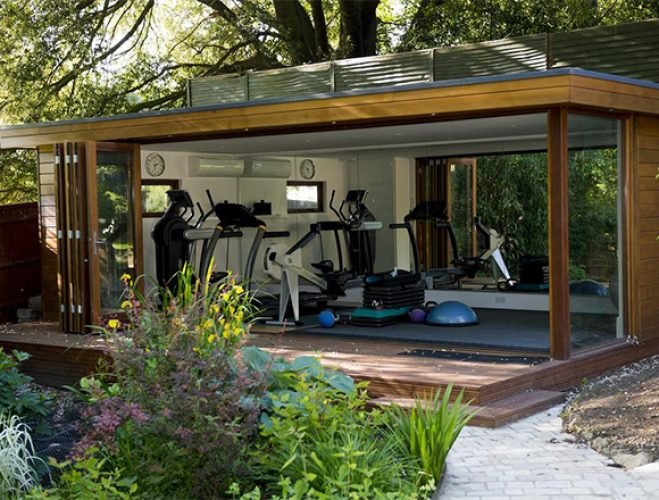
Portable cabins have emerged as a transformative solution for construction sites, primarily due to their ability to significantly enhance worker comfort and productivity. By ensuring that workers have access to essential amenities, these cabins create a favorable workplace environment. Key features often found in portable cabins include heating and cooling systems, restroom facilities, and designated break areas, all of which play a critical role in fostering a productive workforce.
Firstly, adequate climate control is paramount on construction sites, where workers are exposed to harsh weather conditions. Portable cabins equipped with heating and cooling systems not only provide shelter from temperature extremes but also help maintain an optimal working environment throughout the year. This climate-controlled setting can dramatically reduce fatigue and improve concentration levels among workers, ultimately leading to higher efficiency.
Furthermore, the inclusion of restrooms within portable cabins eliminates the need for workers to travel long distances to find sanitary facilities. This not only saves time but also enhances the overall hygiene standards on the site, contributing to a more favorable working atmosphere. Another key aspect is the provision of well-designed break areas. These spaces allow workers to relax and recharge during their breaks, which is essential for maintaining morale and reducing stress.
By creating a comfortable and supportive environment, portable cabins contribute to enhanced job satisfaction among workers. Studies have shown that when employees feel cared for and valued, their productivity levels rise as a direct consequence. This beneficial influence extends beyond individual performance, resulting in better overall project outcomes and improved profitability for companies. Thus, investing in portable cabins for construction projects not only looks after the welfare of the workers but also boosts the operational efficiency of the projects.