
Identifying Your Business Needs
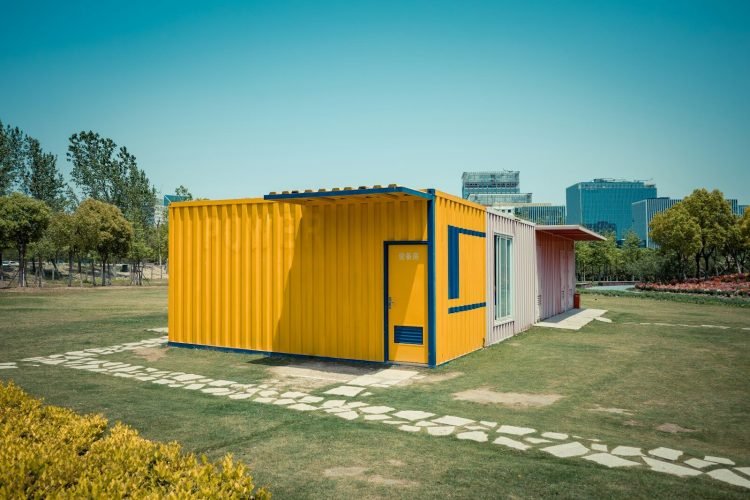
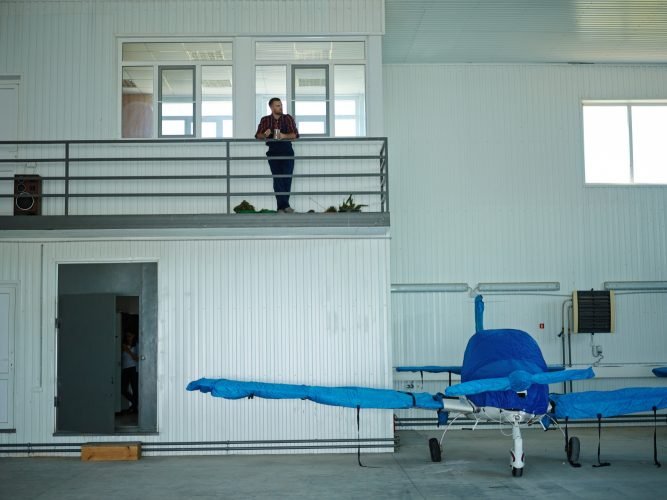
When selecting a portable cabin for a business, it is crucial to first identify and understand the specific needs that the cabin must fulfill. The purpose of the cabin plays a significant role in determining its design and functionality. It could serve as office space, a storage facility, or temporary housing for employees. Thus, clarifying the intended use is paramount in making informed choices.
Size and layout are also essential considerations. Businesses should assess their operational requirements to ascertain how much space is necessary. For example, an office setup may require a larger square footage to accommodate desks and meeting areas, while a storage cabin might need less space but should offer strategic organizational capabilities. Assessing the size in relation to the number of personnel or the inventory to be stored will help in selecting an appropriately sized cabin.
Moreover, particular features may be required to support specific activities. For instance, if the portable cabin will function as an office, amenities like insulation, electrical outlets, and internet connectivity become critical. On the other hand, a cabin designated for storage might require shelving, ventilation, and security installations. Considering these special features ensures that the cabin not only meets immediate needs but also supports long-term operational goals. By evaluating all these factors, businesses can align their choice of a portable cabin effectively with their mission and requirements.
Assessing Location and Environment Considerations
When choosing the right portable cabin for your business, assessing the intended location and environmental factors is critical. The placement of your portable cabin will significantly influence decisions regarding design, materials, and overall functionality. Various factors such as climate, terrain, accessibility, and zoning regulations must be thoroughly evaluated to ensure the cabin meets operational needs.
The climate of the chosen location plays a pivotal role in determining insulation requirements and materials best suited for durability and comfort. For instance, in regions experiencing extreme temperatures, it is essential to select insulation that will keep the interior temperature stable, therefore enhancing energy efficiency. Additionally, if the area is prone to heavy rainfall or snowfall, the design must incorporate weather-resistant features to prevent moisture-related complications.
Terrain also merits consideration; uneven or rocky landscapes may necessitate specific structural elements or foundation options to ensure stability and safety. Furthermore, accessibility to the site is crucial. If the portable cabin is situated in a remote area, logistical challenges may arise in transporting materials and setting up utilities, which could influence the size and design of the cabin.
Another factor to weigh is zoning regulations, as they may dictate where portable cabins can be located and what types of modifications are permissible. Ensuring that the cabin complies with local building codes and zoning laws will facilitate smoother operations and can avert potential legal complications.
By thoroughly assessing these location and environmental considerations, businesses can make informed decisions that cater to both functionality and compliance, ultimately ensuring the portable cabin serves its intended purpose effectively and efficiently.
Comparing Portable Cabin Solutions and Vendors
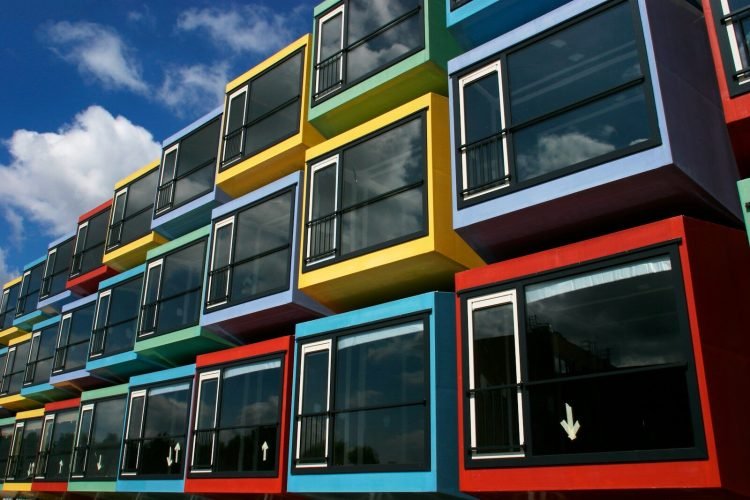
When selecting the right portable cabin for your business needs, it is essential to understand the various types of portable cabin solutions available. The market offers a wide range of options, from prefabricated cabins, which are mass-produced in a factory and delivered to site, to custom-built solutions that can be tailored to specific user requirements. Each type has its unique advantages and disadvantages.
Prefabricated cabins are typically quicker to deploy and can be more cost-effective due to their standardized designs. They often come in various sizes and layouts, making them versatile for different applications, such as office spaces, temporary accommodations, or storage units. However, the main drawback is that they may not fully meet the unique specifications of every business, which can lead to limitations in usage.
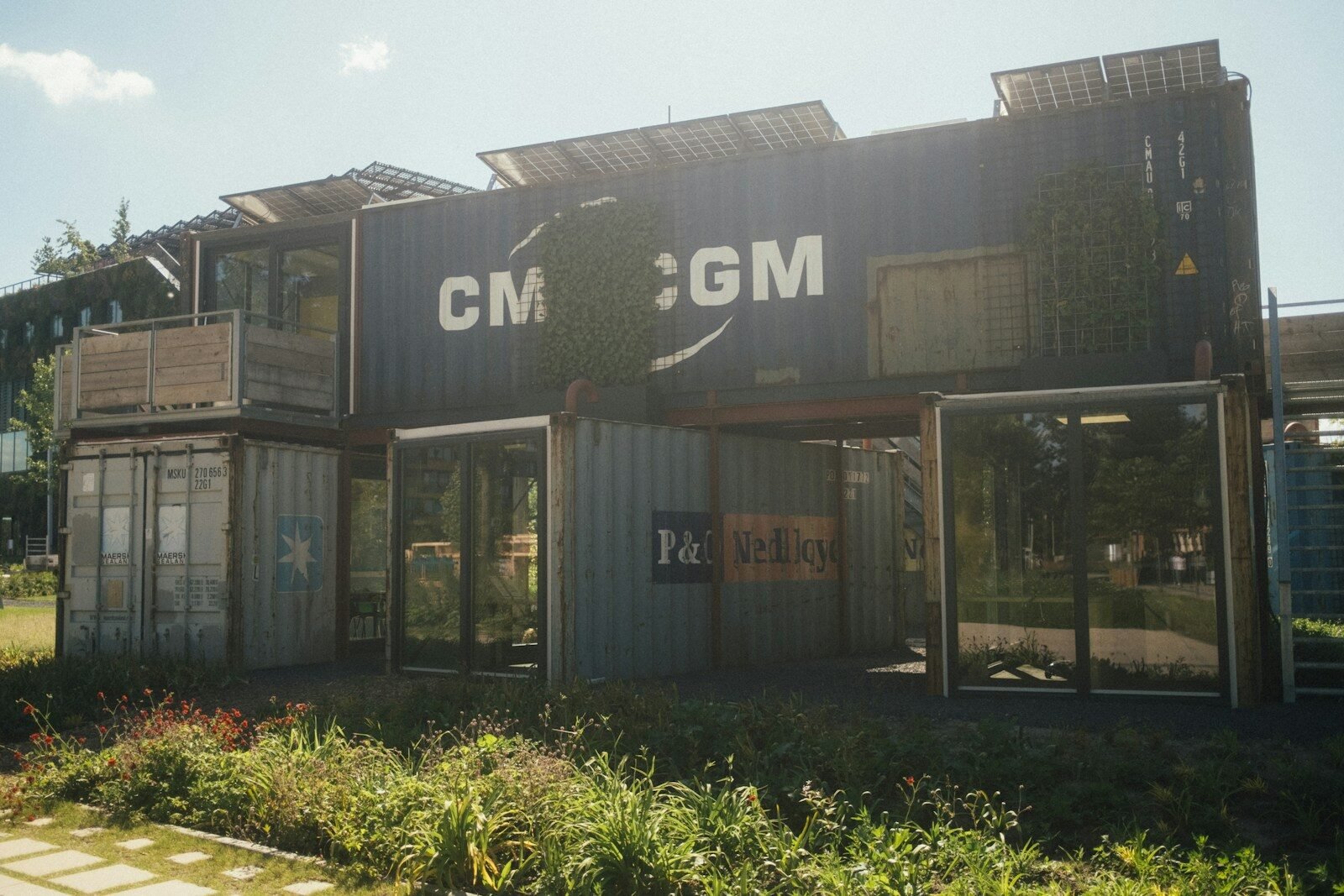
On the other hand, custom-built cabins provide the opportunity to create a space that is intricately designed to suit particular functional needs or aesthetic preferences. This option may involve higher costs and longer lead times, but the end product will usually align more closely with the user’s vision and operational demands. Evaluating your business requirements will help in determining which of these two solutions is appropriate.
In addition to choosing the right cabin type, evaluating vendors is crucial in this decision-making process. It is advisable to compile a list of potential suppliers and assess them based on their reputation, product quality, and customer service. Questions to ask include their experience in the industry, warranty and maintenance provisions, delivery timelines, and the flexibility they offer in terms of alterations to designs. Furthermore, reviewing customer feedback and testimonials can provide significant insights into the reliability of the vendors, guiding you towards a more informed choice.
Budgeting and Financing Your Portable Cabin
When considering the acquisition of a portable cabin for business purposes, budgeting is a critical first step to ensure that the investment aligns with financial expectations. Begin by determining a realistic budget that encompasses not only the initial purchase price, but also the total costs associated with transportation, setup, and ongoing maintenance. This comprehensive financial overview allows for a more informed decision-making process.
Transportation costs can vary significantly based on distance, type of vehicle required, and local regulations pertaining to moving large structures. Be sure to account for these expenses during your budgeting phase. Concurrently, installation costs should also be factored in, particularly if your portable cabin requires utility connections, permits, or site preparation. Assessing these elements holistically will provide a clearer picture of the overall financial commitment involved.
When it comes to financing options, businesses have several pathways to explore. Traditional bank loans may offer competitive interest rates, while specialized lenders in modular buildings might provide tailored financing solutions specifically for portable cabins. Furthermore, leasing options should not be overlooked, as they can offer flexibility and lower upfront costs. It is essential to compare all available financing alternatives to identify the most beneficial arrangement that meets your unique business needs.
While it may be tempting to prioritize lower costs when selecting a portable cabin, balancing quality and price is vital. Investing in a well-constructed cabin may incur a higher initial cost but could save money long-term through reduced maintenance or increased durability. Therefore, conducting thorough research and obtaining multiple quotes from reputable suppliers will help ensure that your investment is both cost-effective and suitable for your operational requirements.