
Introduction to Portable Cabins and Their Benefits
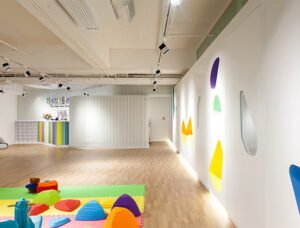
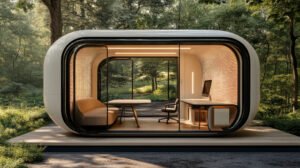
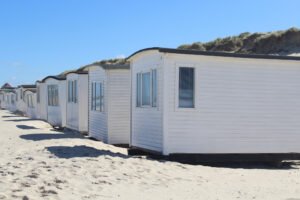
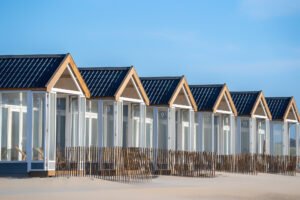
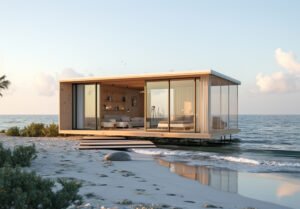
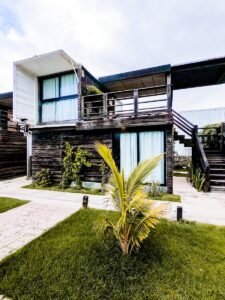
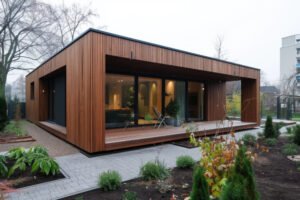
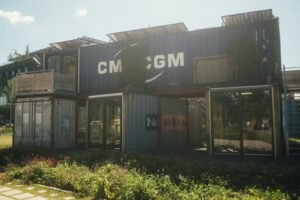
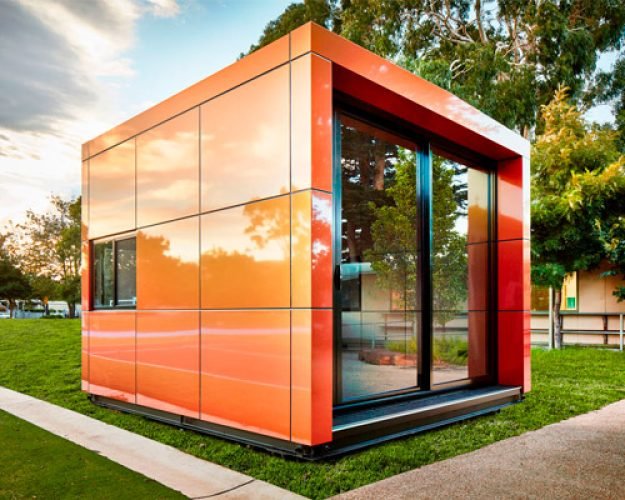
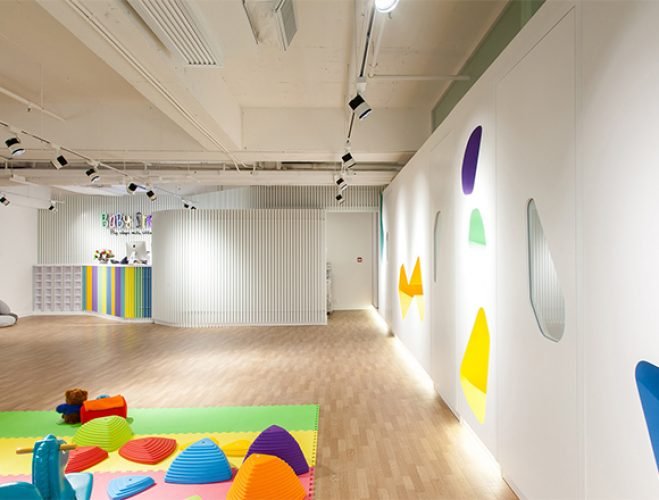
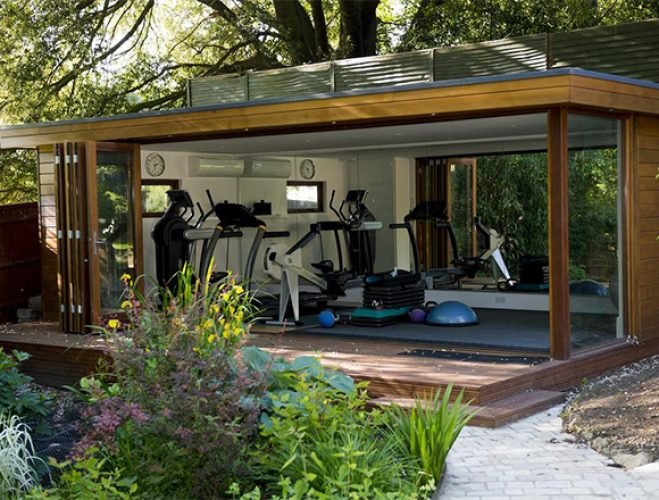
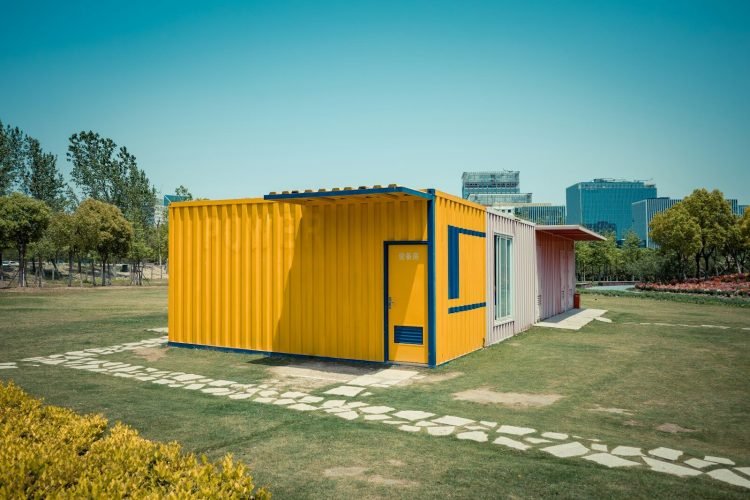
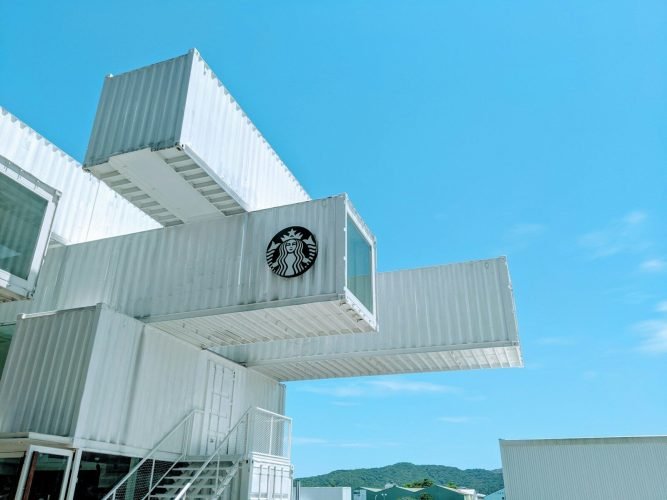
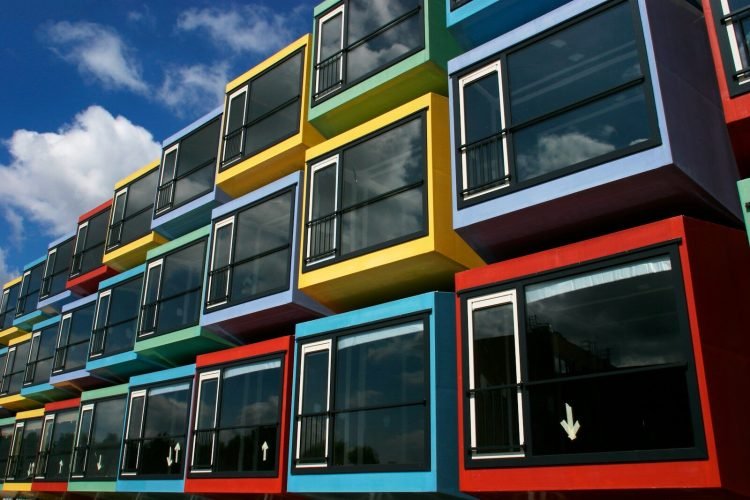
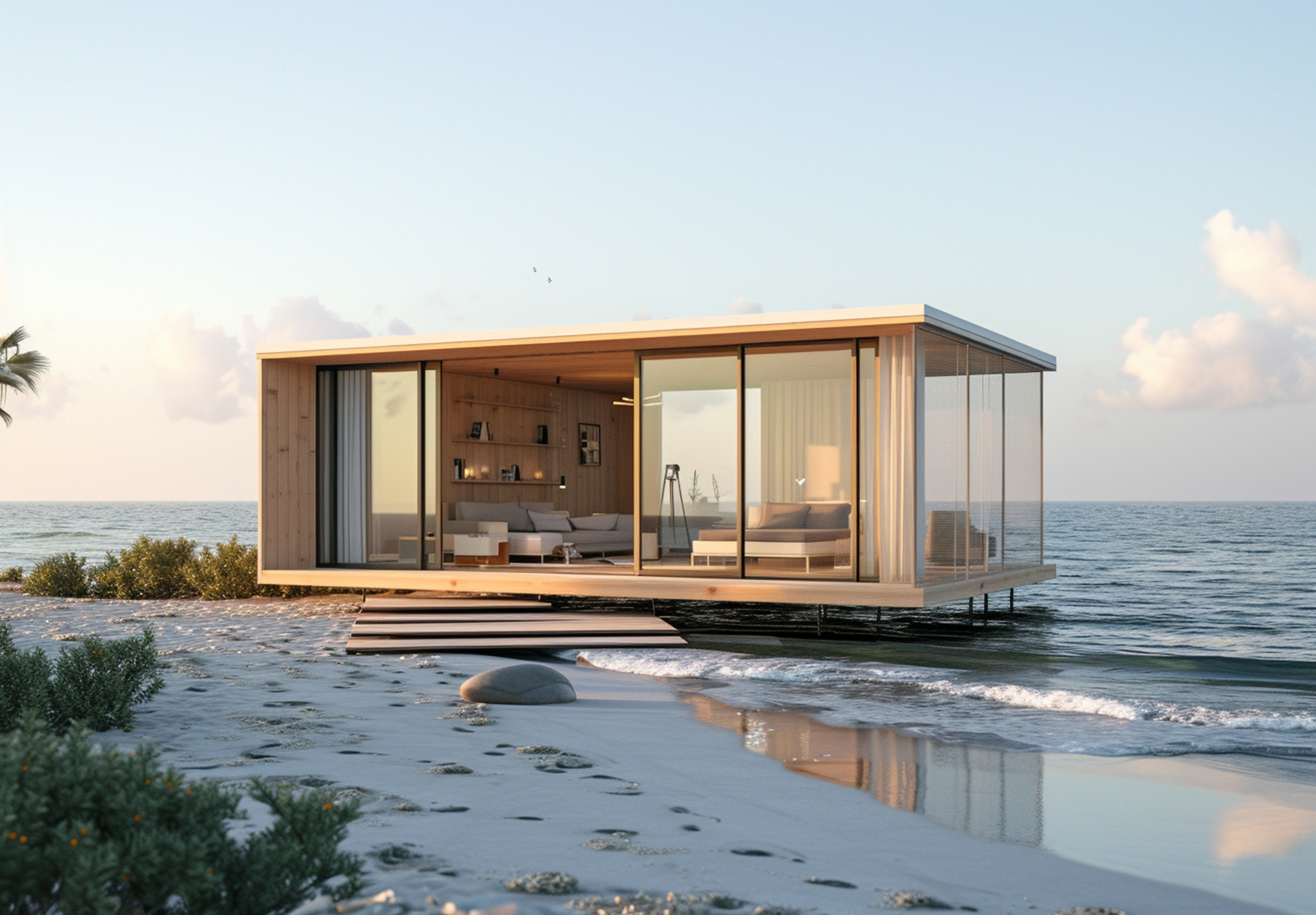
Portable cabins, often referred to as modular buildings or temporary structures, are prefabricated units designed for quick assembly and easy relocation. These versatile structures have made significant inroads in the construction industry due to their practicality and efficiency. Traditionally utilized for site offices and temporary housing, the scope of meco portable cabins has expanded to include a wide range of applications, such as classrooms, medical facilities, and retail spaces.
One of the primary advantages of meco portable cabins is their ability to streamline construction processes. Unlike traditional building methods that can involve lengthy timelines and extensive onsite labor, these cabins significantly reduce the time required for setup. Fabricated off-site, they are delivered ready for use, which facilitates a more efficient construction workflow and minimizes delays associated with weather, inspections, and labor availability. This contributes not only to time savings but also to a reduction in overall labor costs.
Furthermore, the increasing emphasis on sustainable and flexible building solutions has bolstered the demand for portable cabins. Constructed with eco-friendly materials and designed for optimal energy efficiency, these structures can be an environmentally conscious choice for construction and building needs. The meco portable cabin can be easily modified or expanded, allowing companies to adapt their facilities as their requirements evolve, thus enhancing operational flexibility.
With the construction industry continuously seeking innovative solutions to address challenges such as cost, efficiency, and sustainability, portable cabins offer compelling benefits. As they gain traction, their role in reshaping how temporary and semi-permanent structures are utilized is becoming increasingly significant.
Time Efficiency in Construction Projects with Portable Cabins
In the realm of construction, the efficiency of time management is a crucial factor that can determine project success. The incorporation of meco portable cabins into construction sites has brought significant advantages in terms of time savings. One of the most notable aspects is the reduced site preparation time associated with these cabins. Unlike traditional structures that require extensive groundwork and foundation work, portable cabins can be placed on a wide range of terrains with minimal preparation. This leads to a quicker commencement of construction activities, allowing projects to progress without unnecessary delays.
Moreover, the installation process of a meco portable cabin is designed to be swift and straightforward. Often, these cabins can be delivered and set up on-site within days, rather than weeks or months as is typical with conventional building methods. This accelerated installation not only allows for immediate usage but also minimizes downtime for construction teams, thereby enhancing overall productivity. In numerous case studies, construction firms have reported a considerable decrease in project timelines when utilizing portable cabins compared to traditional facilities.
Additionally, the flexibility of meco portable cabins provides significant time-management benefits. These units can easily be relocated as project needs evolve, which minimizes disruptions and allows for seamless transitions as construction zones shift or expand. For instance, during a recent infrastructure project, the ability to relocate cabins allowed workers to maintain their operations without pausing for the installation of new facilities, effectively keeping the momentum of the project going.
Such practical applications highlight how portable cabins not only serve immediate needs but also set the stage for sustained efficiency throughout the construction life cycle. The overall impact of utilizing meco portable cabins signals a shift towards more time-efficient methodologies in construction, aligning with the industry’s growing demands for rapid and flexible solutions.
Cost Savings Offered by Portable Cabins
The construction industry is continually seeking innovative ways to minimize expenses while maximizing efficiency. One such innovation is the use of meco portable cabins, which have proven to deliver significant financial advantages in various construction scenarios. These cabins offer a unique solution that can mitigate initial investment costs and reduce overall project expenditures.
Initial investment costs associated with traditional building techniques can be prohibitive, often due to the extensive labor and materials required. In contrast, meco portable cabins require significantly lower upfront costs. They are pre-manufactured off-site and delivered ready for installation, which streamlines the mobilization process. This efficiency not only minimizes the time spent on-site but also reduces labor-related expenses right from the outset.
Moreover, the long-term financial benefits of integrating portable cabins into construction projects cannot be overlooked. Traditional construction methods typically incur higher maintenance budgets due to wear, tear, and the need for extensive ongoing repairs. However, portable cabins are designed with durability in mind, often requiring less upkeep and repair, thereby lowering long-term maintenance costs. Additionally, these structures are designed to minimize waste during the construction phase, which also contributes to overall savings. Lower waste generation means reduced disposal fees and a smaller environmental footprint.
When examining various construction scenarios, the cost-effectiveness of portable cabins becomes even more apparent. For instance, businesses opting for temporary sites can forego many of the expenses associated with permanent structures, such as land acquisition and property taxes. Overall, the financial advantages of meco portable cabins highlight an effective strategy for construction professionals looking to save time and resources while ensuring a functional and practical workspace.
Conclusion: The Future of Portable Cabins in Construction
The discussion surrounding the advantages of meco portable cabins highlights their pivotal role in modern construction. These structures are increasingly recognized not only for their rapid deployment but also for their substantial cost-saving potential. As the construction industry grapples with the challenges of time delays and budget overruns, portable cabins present a timely solution by streamlining project timelines and reducing expenses related to traditional building methods.
Trends in modular building underscore a shift towards efficiencies that portable cabins embody. Their factory-based construction process minimizes waste and enhances quality control, factors that are becoming paramount in today’s environmentally conscious society. Innovations in materials and design are further enhancing the durability and functionality of meco portable cabins, making them a robust option for various applications including temporary housing, site offices, and storage. This flexibility positions them as a viable choice across multiple sectors, from construction to education and healthcare.
Moreover, the potential for customization of these portable cabins means that they can be tailored to meet the specific needs of a project, thereby increasing their appeal among developers and contractors alike. As advancements continue to emerge in technology, the future of meco portable cabins appears bright. The ongoing evolution of construction methodologies, alongside growing support for sustainable practices, suggests that portable cabins will be integral to any forward-thinking construction strategy.
As we conclude, it is essential to acknowledge the transformative impact of portable cabins on the construction landscape. By integrating time and cost efficiencies with innovative design, meco portable cabins emerge not only as an alternative but as a preferable choice for future construction endeavors. Organizations looking to optimize their projects should certainly consider these versatile structures in their planning.