
Size and Layout Considerations
When considering the purchase of a portable cabin, one of the most crucial aspects to evaluate is the size and layout of the structure. Understanding the specific requirements of the intended users plays a significant role in determining the appropriate dimensions and design. For instance, potential buyers should contemplate how many individuals will typically occupy the cabin and the various activities they plan to engage in while utilizing the space. This assessment serves as a foundational step in selecting the right portable cabin.
Measuring the dimensions of the designated area where the cabin will be installed is equally important. This ensures that the structure fits comfortably without encroaching on surrounding spaces or violating local regulations. Buyers should account for any additional space needed for access, landscaping, or utility connections, as these factors can dramatically affect the overall experience of using the cabin.
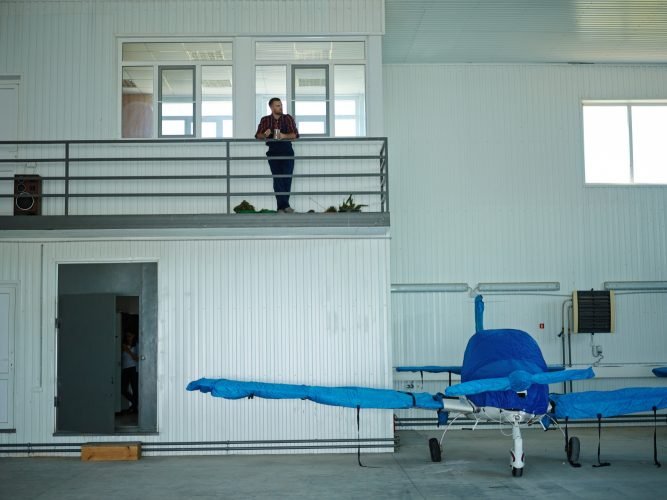
The layout of the cabin can significantly influence its functionality. Buyers must consider whether a single-room design suffices or if a multi-room configuration is necessary to accommodate various needs. For example, families or larger groups may benefit from separate sleeping and living areas, while a compact design might be ideal for individual use or small gatherings. Moreover, aspects such as open floor plans and designated storage areas can enhance the usability of limited space.
Additionally, it is vital to adhere to prevailing building codes and regulations that govern portable cabins. These regulations may dictate specific limitations on size, height, and layout, ensuring that the structure meets safety and zoning standards. Therefore, potential buyers should familiarize themselves with these requirements to make informed decisions while shopping for their ideal portable cabin.
Material Quality and Durability
When selecting a portable cabin, the material quality significantly influences its durability and longevity. Various construction materials are available, each presenting unique benefits and potential drawbacks. Primarily, the common materials used in portable cabins are wood, metal, and composite options.
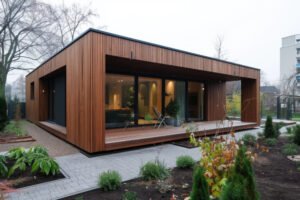
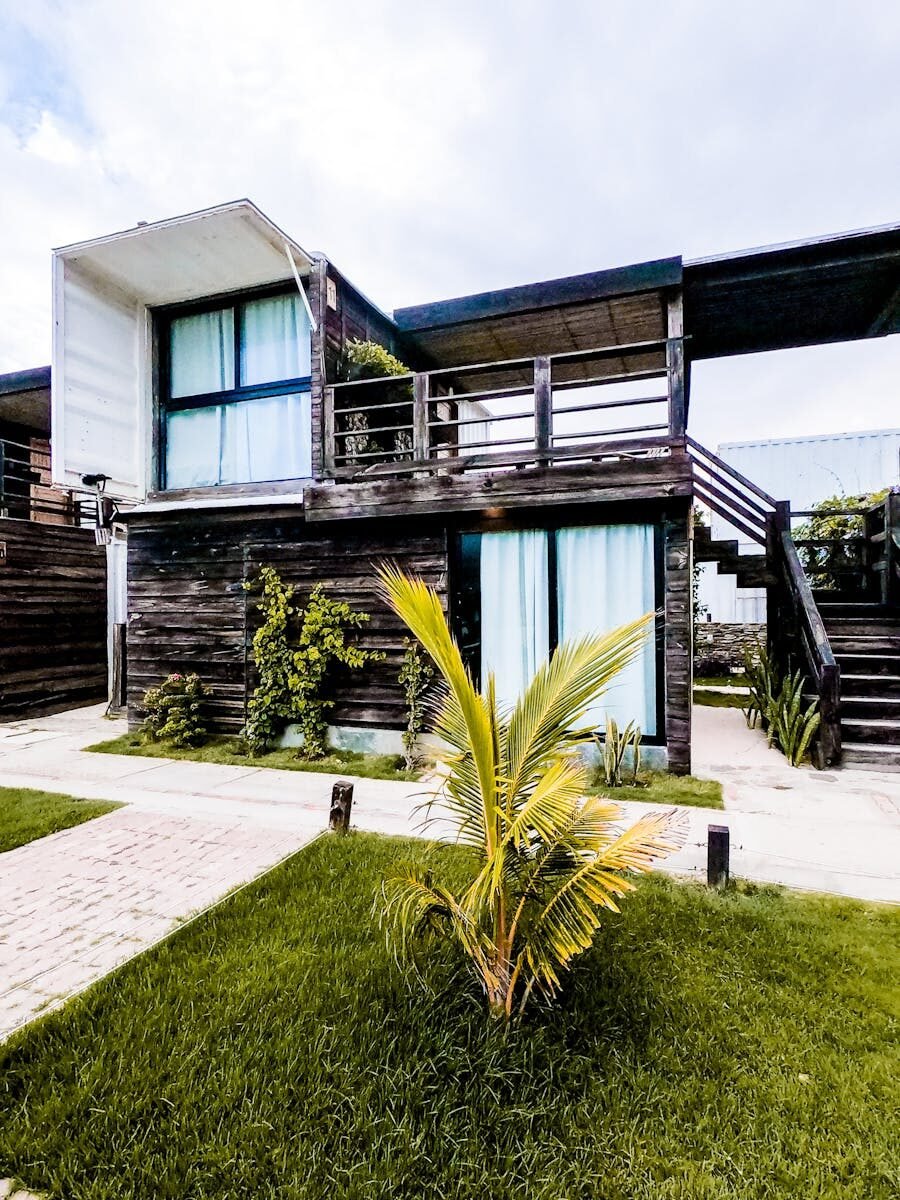
Wood is a traditional choice for portable cabins due to its natural insulation properties and aesthetic appeal. It offers warmth and makes the cabin feel more homely. However, wood is susceptible to rot, pests, and moisture damage, necessitating regular maintenance. The longevity of wood can be ensured through preservatives and sealants, but it generally requires more attention compared to other materials.
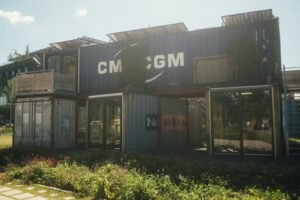
Metal, often aluminum or steel, is becoming increasingly popular due to its strength and resistance to environmental factors. Metal cabins can withstand harsh weather conditions and are generally less prone to maintenance issues compared to wood. However, metal can conduct heat, meaning insulation is a critical consideration. Proper insulating materials must be employed to keep the interior comfortable in various climates.
Composite materials combine the benefits of wood and plastic, offering enhanced durability and lower maintenance in comparison to traditional wood. This material type is designed to resist moisture and pests while still providing decent insulation. Composite cabins tend to come at a higher price point but may provide better long-term value due to their resilience and lower upkeep requirements.
Regardless of the material chosen, quality craftsmanship plays an essential role in the cabin’s overall performance and lifespan. Engaging with reputable manufacturers who prioritize construction standards will ensure that the portable cabin withstands both time and the elements effectively. Thus, when evaluating portable cabins, potential buyers must thoroughly assess the material quality and craftsmanship to make an informed decision.
Customization Options and Functionality
When investing in a portable cabin, one of the most significant aspects to consider is customization. This aspect allows buyers to tailor the cabin to meet their unique needs and preferences. Portable cabins can be remarkably versatile, offering various customization options that enhance both their aesthetic appeal and functionality.
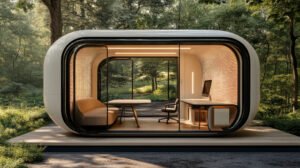
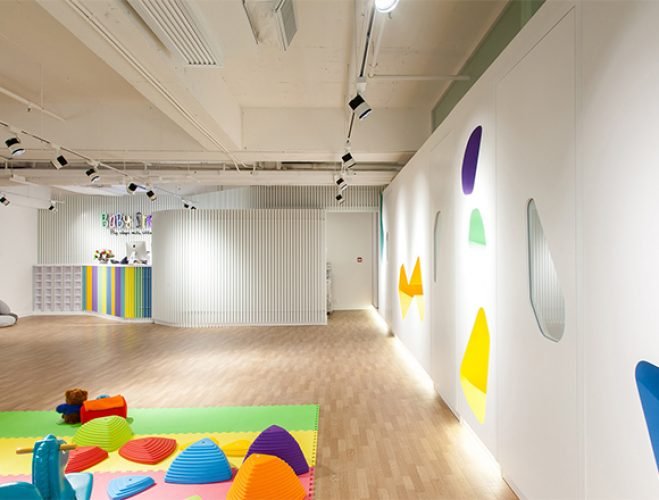
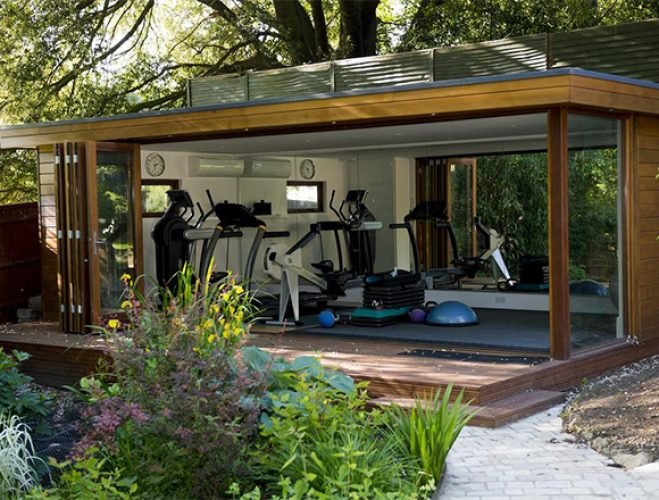
Internal layouts represent a primary customization element. Depending on the intended use, whether as guest accommodations, a workspace, or a recreational retreat, the cabin can be designed to optimize space effectively. For instance, an open floor plan can create a spacious living area, while partition walls can be added to provide individual rooms for more specific purposes.
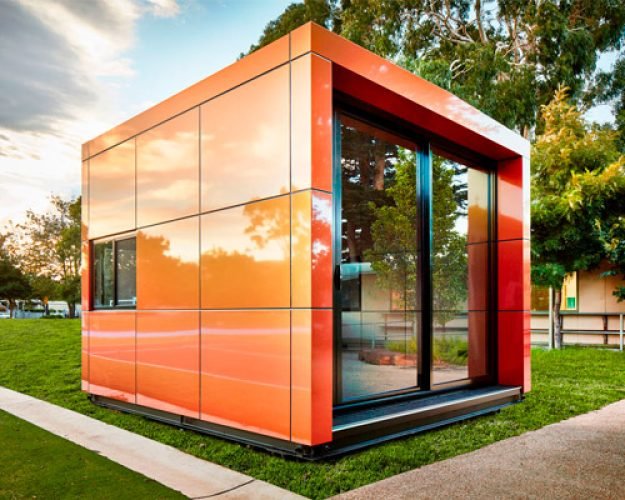
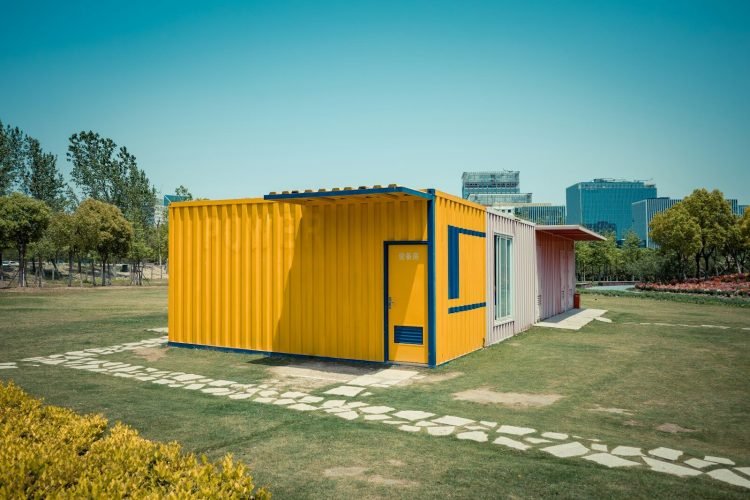
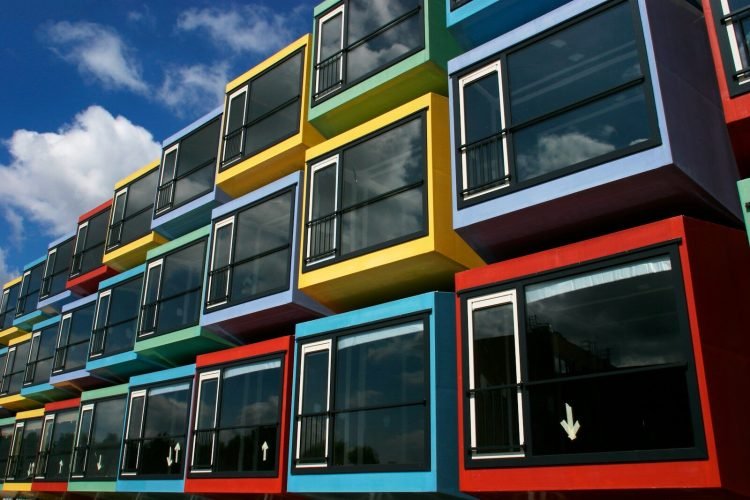
Exterior finishes also play a vital role in customization, as they can significantly impact the overall look and feel of the portable cabin. Buyers may choose from various materials and colors to create a design that blends seamlessly with its surroundings or stands out as a focal point. Additionally, choosing the right roof type can affect both aesthetics and functionality, significantly contributing to the cabin’s insulation and resilience against environmental factors.
Moreover, added amenities such as plumbing systems, electrical outlets, and comprehensive insulation options can transform a basic portable cabin into a fully functional living space. These features enable year-round use and ensure comfort regardless of external conditions. For example, incorporating heating and cooling systems can enhance usability throughout the changing seasons.
Ultimately, aligning customization options with the intended use of the portable cabin is crucial. By considering functionality alongside aesthetics, buyers can create cabins that serve their specific goals effectively. This alignment not only maximizes the utility of the portable cabin but also enhances the overall experience for its users.
Cost and Value for Money
When considering the purchase of a portable cabin, budget becomes a pivotal factor that can influence the decision-making process significantly. The cost of portable cabins can vary widely based on a number of determinants including size, materials, design features, and customization options. Sizes range from compact, straightforward models to larger, more intricate designs, with prices adjusted accordingly. For instance, smaller cabins generally cost less, while larger counterparts demand higher investment due to increased material and labor requirements.
The choice of materials also plays a critical role in determining the overall price of the cabin. Cabins constructed from high-quality, durable materials tend to incur a higher initial cost but often lead to greater long-term savings due to reduced maintenance and better longevity. In contrast, more economical materials may lower the upfront price but can result in additional costs down the line due to maintenance or the need for repairs. Additionally, features such as insulation, plumbing, and electrical systems can add to the total expenditure. Thus, understanding the value offered against the cost is essential.
To maximize the value for money, potential buyers are encouraged to seek out the best deals available in the market. This may include discounts for bulk purchases, seasonal promotions, or incentives from manufacturers. Furthermore, exploring financing options can make the investment more manageable by spreading the cost over time. It is beneficial to assess not only the cabin’s initial price but also to consider its resale value and the potential return on investment. By evaluating these factors thoughtfully, buyers can determine whether a specific portable cabin justifies its price tag based on the functionality and features it provides, ensuring informed decision-making in their purchase journey.